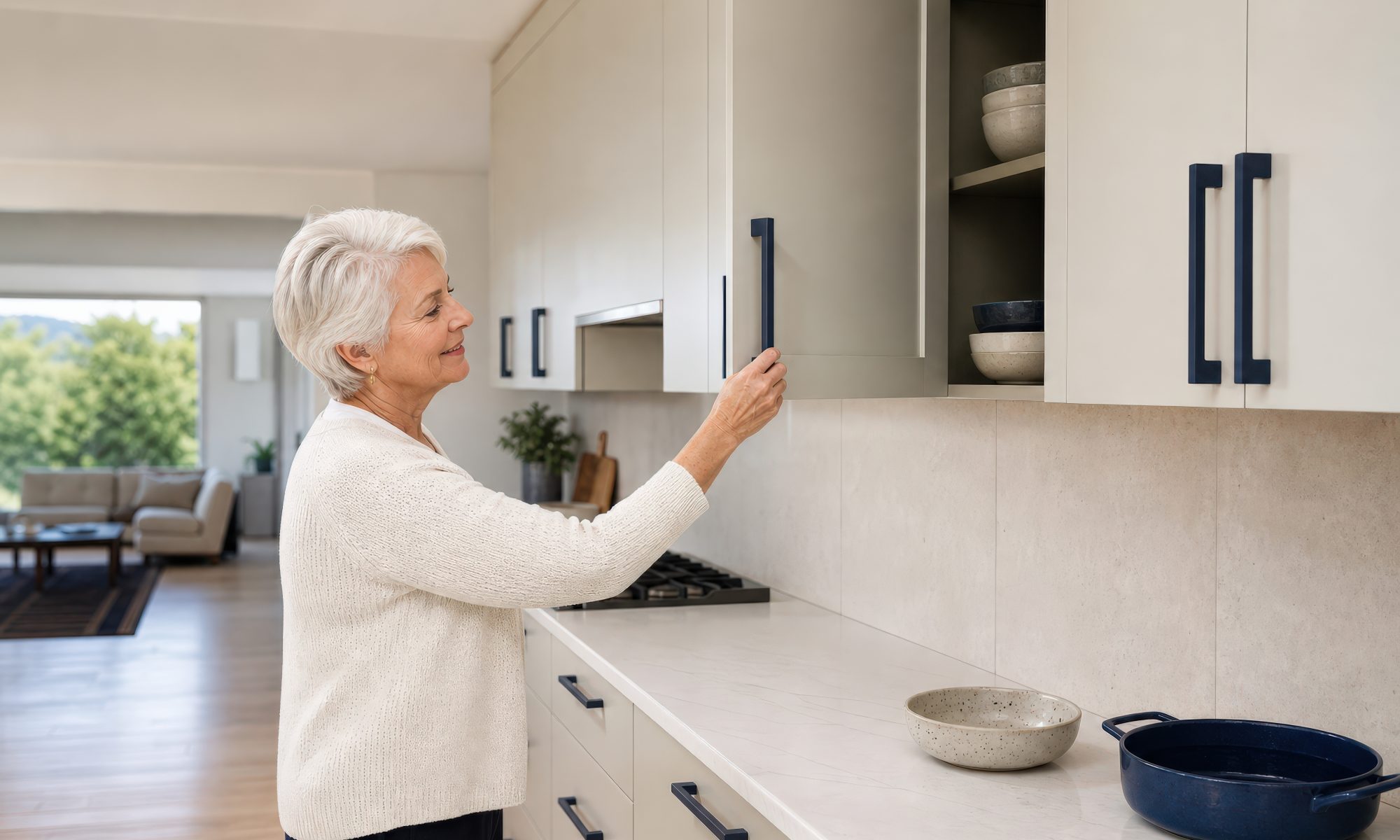
Preventing kitchen hazards for seniors with cognitive decline involves removing dangerous appliances from easy reach, labeling storage clearly, installing safety devices like stove auto-shutoff switches, and maintaining a consistent, clutter-free layout. These steps reduce the risk of burns, fires, and falls while helping seniors retain a sense of independence. Small environmental changes can make a significant difference in day-to-day safety.
Simple adjustments to the kitchen environment can prevent the most common accidents affecting seniors with cognitive decline. Caregivers who understand where these risks come from can take practical low-cost steps to reduce them. The following sections answer the most pressing questions about kitchen safety for this population.
What Kitchen Hazards Are Most Common for Seniors with Cognitive Decline?
Cognitive decline can affect memory, judgment, and the ability to recognize danger, which makes certain kitchen hazards more likely. The most frequent risks include:
- Stovetop fires caused by forgetting food is cooking
- Burns from touching hot surfaces or spilling hot liquids
- Cuts from mishandling knives or other sharp tools
- Chemical exposure from confusing cleaning products with food or drink
- Slips and falls due to spills or cluttered floors
Recognizing these patterns helps caregivers prioritize which safety measures to put in place first.
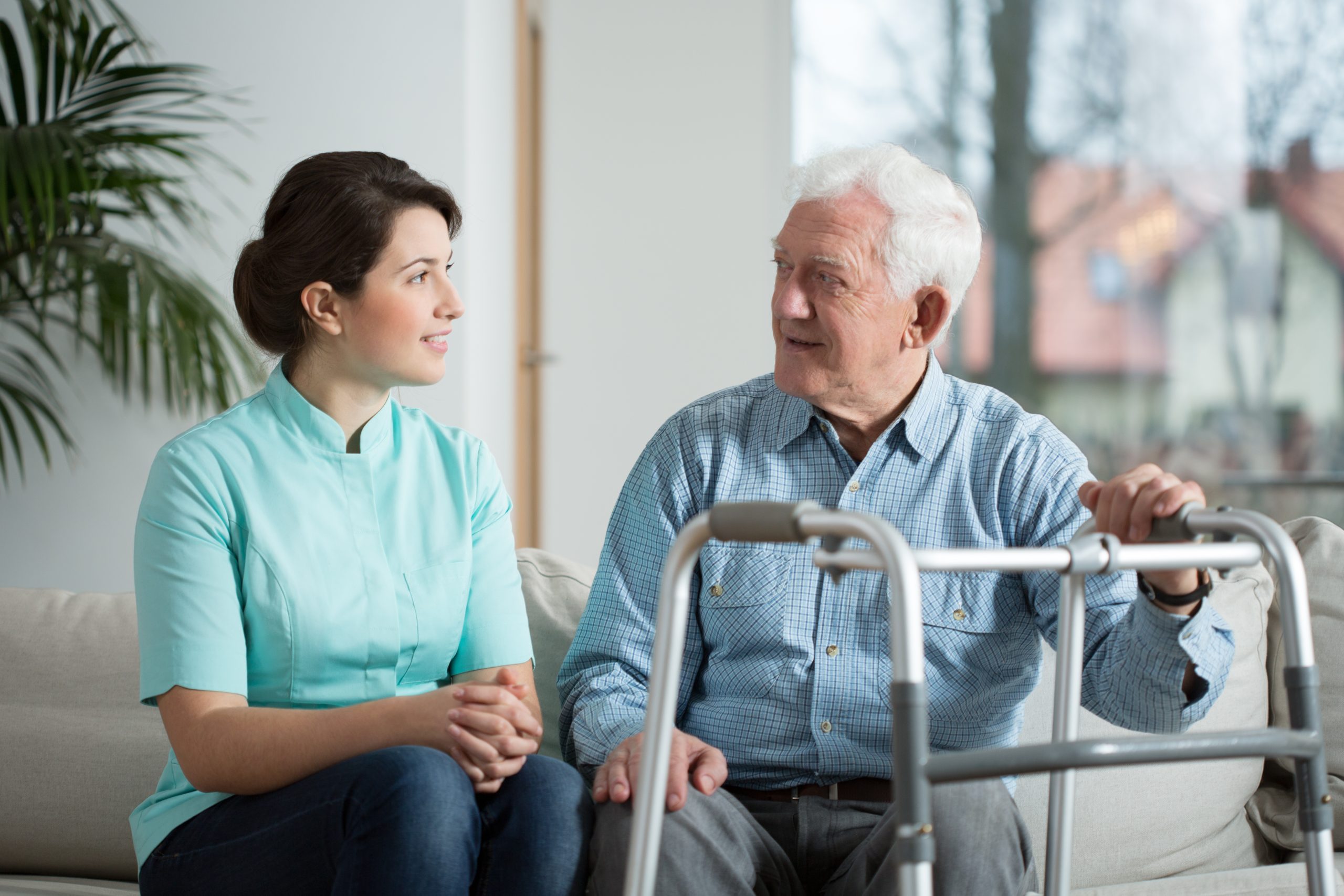
For some families, caring for a senior loved one can be overwhelming at times. Luckily, Naples families can rely on exceptional respite and overnight home care provided by the experienced professionals from Assisting Hands Home Care. We are a trusted name in respite and hourly care, and our caregivers are available around the clock to assist seniors with bathing, transportation, medication reminders, exercise, and much more, allowing families the time they need to focus on other important responsibilities or just take a break.
How Can Caregivers Make the Stove and Oven Safer?
The stove is often the single biggest source of risk in a senior’s kitchen, since forgetfulness can lead to unattended burners or ovens. Caregivers can lower this risk by:
- Installing an automatic shutoff device that turns off the stove after a set period of inactivity
- Using stove knob covers or locks to prevent unsupervised use
- Replacing gas stoves with induction cooktops, which stay cool to the touch and reduce fire risk
- Setting up timers or reminders paired with verbal check-ins during cooking
These adjustments allow seniors to remain involved in meal preparation while minimizing fire and burn hazards.
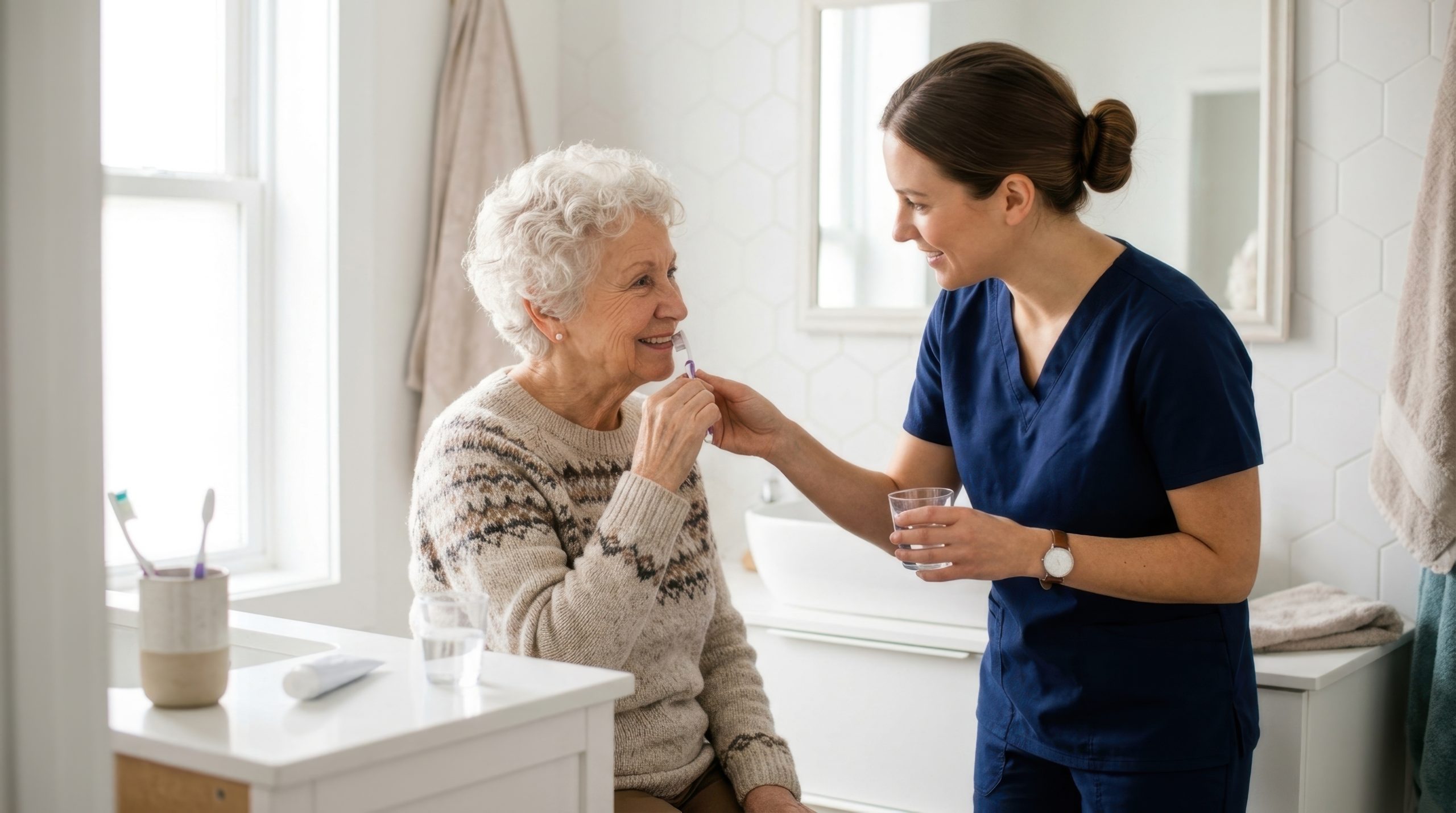
Cognitive challenges often leave aging adults unable to manage everyday tasks, which puts their safety and health at risk. Certain age-related conditions can make it more challenging for seniors on the southwest coast of Florida to age in place safely and comfortably, but Naples 24-hour home care experts are available around the clock to help seniors manage their health. Whether your loved one is living with dementia or recovering from a stroke, you can trust the professional caregivers from Assisting Hands Home Care to enhance his or her quality of life. At Assisting Hands Home Care, we take measures to help seniors prevent illness and injury by assisting with exercise and mobility, preparing nutritious meals, helping with bathing and other personal hygiene tasks, and much more.
What Storage Changes Reduce the Risk of Accidents?
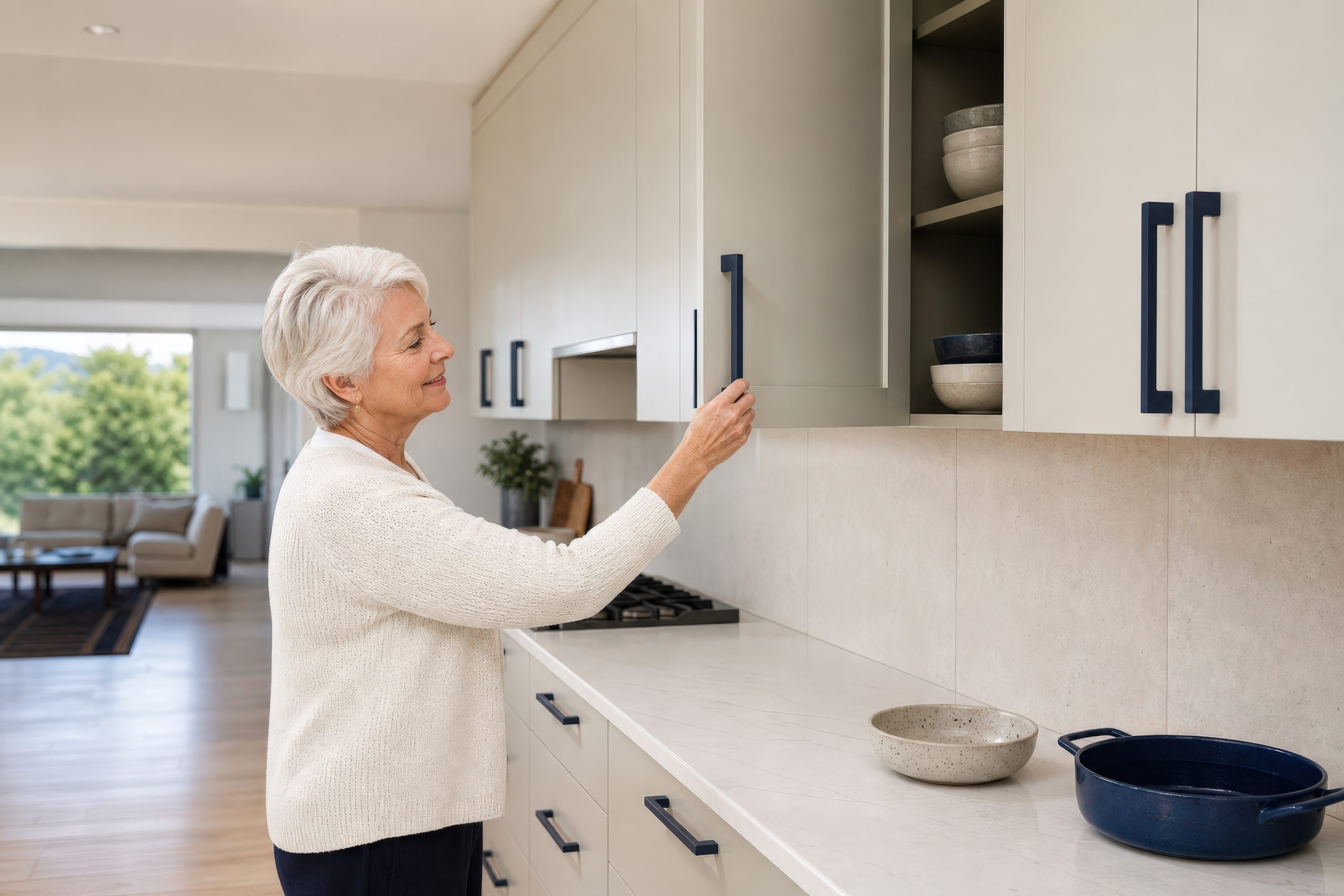
Disorganized or unclear storage increases the chance that a senior with cognitive decline will mix up items or reach for something unsafe. To reduce this risk:
- Store cleaning supplies and chemicals in a locked cabinet away from food items.
- Use large clear labels with simple text or pictures on containers and cabinets.
- Keep frequently used items within easy low reach to avoid climbing or stretching.
- Remove duplicate or expired products that might create confusion.
A predictable, well-labeled storage system reduces the mental load required to find the right item safely.
How Should Sharp Objects and Small Appliances Be Managed?
Knives, scissors, and small appliances like blenders or toasters can pose serious risks if used incorrectly or left unattended. Caregivers can address this by:
- Storing knives in a locked drawer or block out of casual reach
- Unplugging appliances after each use rather than leaving them idle and powered on
- Choosing appliances with automatic shutoff features whenever possible
- Supervising or assisting with tasks that involve cutting or high heat
These measures reduce injury risk while still allowing seniors to participate in supervised kitchen activities.
What Layout Changes Increase Overall Kitchen Safety?
A kitchen’s physical layout plays a major role in preventing falls and confusion. Helpful layout changes include:
- Keeping floors clear of clutter, cords, and loose rugs
- Ensuring consistent bright lighting throughout the space
- Arranging furniture and appliances to create clear, unobstructed walking paths
- Maintaining the same layout over time, since consistency reduces disorientation
A stable, predictable environment supports both physical safety and cognitive comfort.
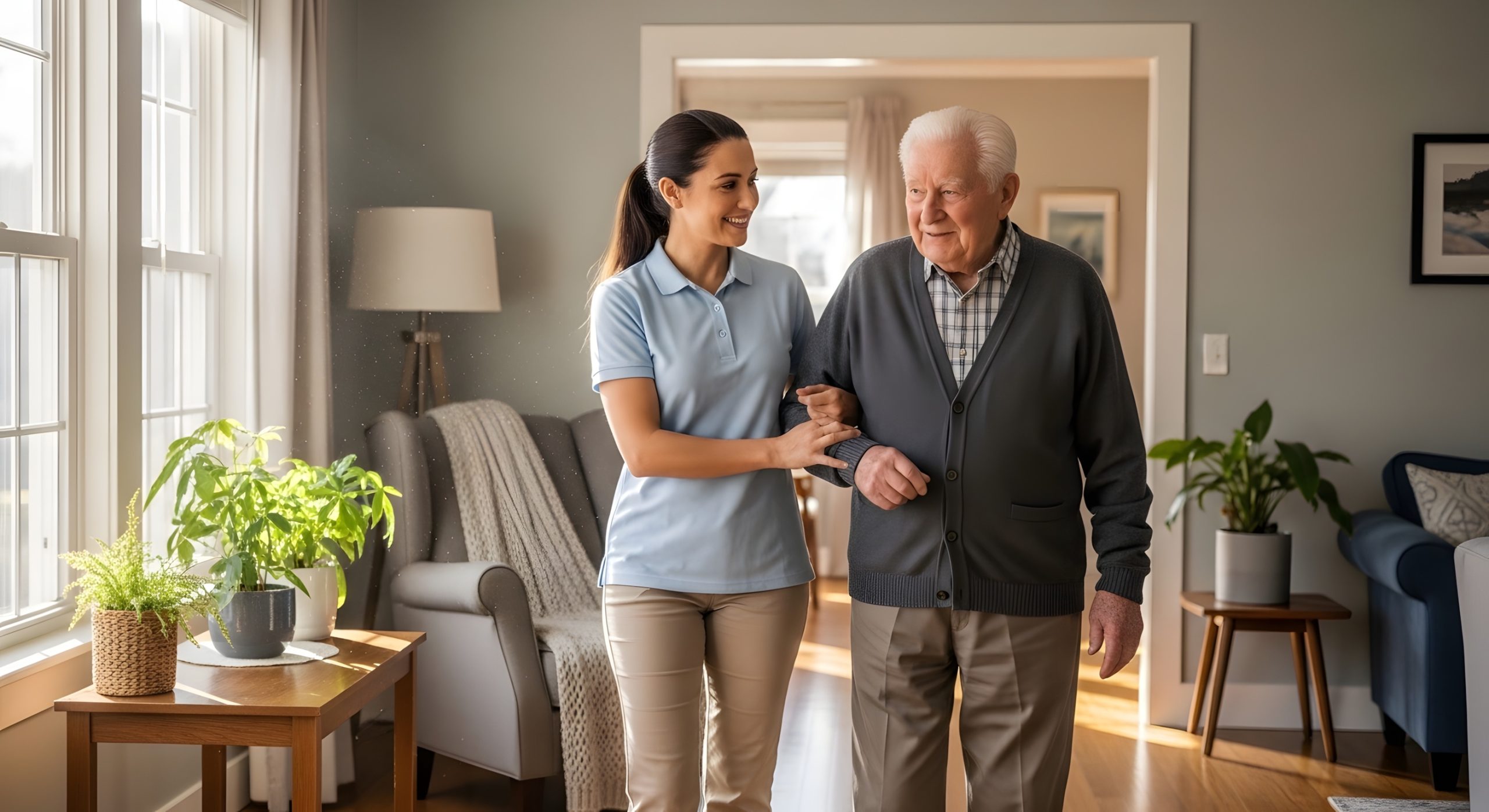
Caring for a loved one with cognitive decline is a challenging task for anyone. The responsibilities can sometimes feel overwhelming, but help is available. Seniors can face a variety of challenges as they age, many of which can be mitigated with the help of professional in-home caregivers who provide high-quality in-home care in Naples. Families trust Assisting Hands Home Care to help their elderly loved ones age in place safely and comfortably. Reach out to one of our dedicated Care Managers today to learn about the high quality of our in-home care services.
Frequently Asked Questions
Is it safe to leave a senior with cognitive decline alone in the kitchen?
+
It depends on the severity of the cognitive decline. Many caregivers find supervised or assisted kitchen time is safer than full independence, especially around stoves and sharp tools.
What’s the easiest first step to increase kitchen safety?
+
Installing a stove auto-shutoff device is often the fastest way to reduce the most serious risk, which is unattended cooking.
Are induction stoves better than gas stoves for seniors with cognitive decline?
+
Yes, induction stoves stay cooler to the touch and reduce the risk of burns and fires compared to traditional gas stoves.
How often should kitchen safety measures be reassessed?
+
Safety needs can change as cognitive decline progresses, so it’s wise to review the kitchen setup every few months or after any new incident.
Can labeling really make a difference in kitchen safety?
+
Yes, clear labels reduce confusion and help seniors quickly identify safe items, lowering the chance of accidental exposure to harmful products.