Blog

Blog

By Eric Brown, 8:00 am on August 6, 2026

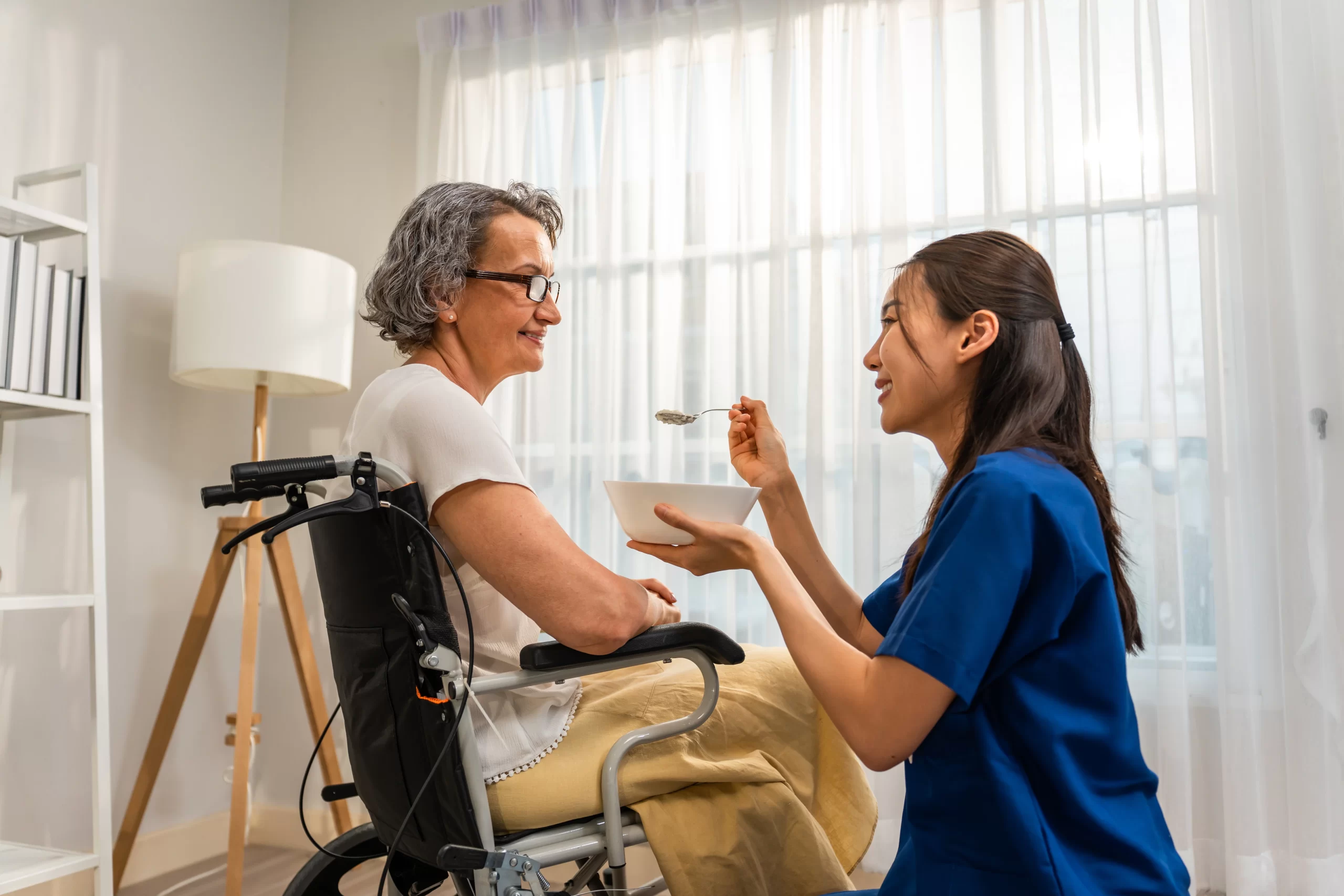
Overcoming senior malnutrition in home care requires identifying early warning signs, preparing nutrient-dense meals, and establishing consistent dietary routines. Caregivers can successfully enhance their senior loved ones’ daily nutritional intake by adapting food textures and encouraging frequent small meals. Caregivers can overcome malnutrition challenges in senior in-home care settings by proactively monitoring food intake and serving appealing, nutrient-rich meals tailored…

By Eric Brown, 8:00 am on July 23, 2026

The intersection of depression and cognitive decline in dementia care occurs when severe mood changes actively worsen memory issues, creating a cycle that accelerates overall mental deterioration. Recognizing how these two conditions overlap is essential for enhancing daily quality of life for those affected. Caregivers who understand this relationship can better tailor their support strategies to address both emotional and…

By Eric Brown, 8:00 am on July 9, 2026

The dynamics of family involvement in professional in-home care center on the collaborative partnership between relatives and professional caregivers to ensure the care recipient’s emotional and practical wellbeing. When family members actively participate in daily routines and care planning, they provide invaluable personal history and emotional support that professionals alone cannot offer. This team approach creates a safer, more comfortable…

By Eric Brown, 9:55 am on June 18, 2026

Routine management in dementia care is the structured practice of organizing daily activities to provide predictability, reduce confusion, and foster a sense of security for individuals experiencing cognitive decline. By establishing consistent patterns for meals, hygiene, and leisure, caregivers can significantly minimize behavioral challenges and emotional distress. This evidence-based approach ultimately empowers both seniors and their support systems to navigate…

By Eric Brown, 8:00 am on June 4, 2026

Senior in-home care typically costs between $4,000 and $5,000 per month depending on the level of support needed, and it’s worth the investment because it allows older adults to safely age in the comfort of their own homes. By receiving personalized help with daily household tasks, seniors maintain their independence while giving families true peace of mind. How Much Do…

By Eric Brown, 8:00 am on May 21, 2026

When seniors stop engaging with life at home, it often signals underlying physical, cognitive, or emotional health issues such as depression or early dementia. Recognizing these early warning signs is crucial for families and caregivers to intervene and provide necessary support. Understanding the root causes can help you create a safer, more stimulating environment for your aging loved one. What…

By Eric Brown, 8:00 am on May 7, 2026

In-home care reduces hospital readmissions by providing personalized oversight, medication reminders, and daily support right in a senior’s own living environment. This continuous professional attention can prevent minor health issues from escalating into severe emergencies. As a result, recovering individuals can heal safely without the frequent need to return to the hospital. Why Is Medication Organization Crucial for Recovery? Proper…

By Eric Brown, 8:00 am on April 23, 2026

Fun activities for daily dementia care include music therapy, gentle exercise, arts and crafts, reminiscence activities, and sensory stimulation. These activities can help seniors living with dementia maintain cognitive function, reduce anxiety, and boost their overall quality of life. What Types of Music Activities Work Well for People with Dementia? Music has a remarkable ability to reach people with dementia,…

By Eric Brown, 8:00 am on April 9, 2026

Home care enables seniors to age safely in their own homes by providing personalized support, assistance with daily activities, and continuous monitoring to prevent accidents. This approach helps older adults maintain their independence while receiving the care they need. Below, we explore the key ways home care contributes to safer and more comfortable senior living. What Types of Assistance Does…

By Eric Brown, 8:00 am on March 19, 2026

Talking to children about a grandparent’s illness involves using honest, age-appropriate language, listening to what the child already understands, and creating a safe space for questions and emotions. Preparing children for physical or behavioral changes and encouraging meaningful connection can help them process the situation with reassurance and stability. Discussing a serious diagnosis with your children is one of the…