Companionship plays a vital role in easing loneliness for dementia patients by providing emotional support, reducing anxiety, and enhancing overall wellbeing. Regular social interaction—whether with family, caregivers, or peers—can meaningfully boost cognitive health and enhance quality of life.
Why Does Loneliness Affect Dementia Patients So Severely?
Loneliness has a disproportionate impact on dementia patients because the condition already impairs the brain’s ability to process emotion, memory, and social cues.
- Dementia disrupts the ability to initiate or maintain conversations, making social engagement harder over time.
- According to a 2025 study published in Nature Mental Health, chronic loneliness increases the risk of dementia-related cognitive decline by 31 percent.
- Without regular interaction, symptoms such as agitation, depression, and withdrawal tend to worsen more rapidly.
Social isolation can result in mental, emotional, and physical challenges for aging adults, but seniors don’t have to manage them alone. Aging in place can present a few unique challenges for older adults. Some only require part-time assistance with exercise or meal preparation, while others are living with serious illnesses. If your elderly loved one needs around-the-clock Naples 24-hour home care, turn to Assisting Hands Home Care. Our caregivers encourage seniors to focus on eating nutritious foods, exercising on a regular basis, maintaining strong social ties, and other lifestyle factors known to increase longevity.
How Does Companionship Enhance Quality of Life for Dementia Patients?
Consistent companionship provides both emotional and neurological benefits for dementia patients.
- Emotional stability – Familiar faces and voices create a sense of safety and reduce anxiety.
- Cognitive stimulation – Conversations, storytelling, and shared activities engage memory and language functions.
- Reduced behavioral symptoms – Social connection has been linked to lower rates of agitation and wandering.
- Better mood – Regular interaction increases feelings of purpose and belonging, which directly influence mental wellbeing.
What Types Of Companionship Are Most Effective for Dementia Patients?
Not all companionship looks the same, and different forms can suit different stages of dementia.
- Family visits – Familiar relationships provide comfort and a sense of continuity, even when memory has faded.
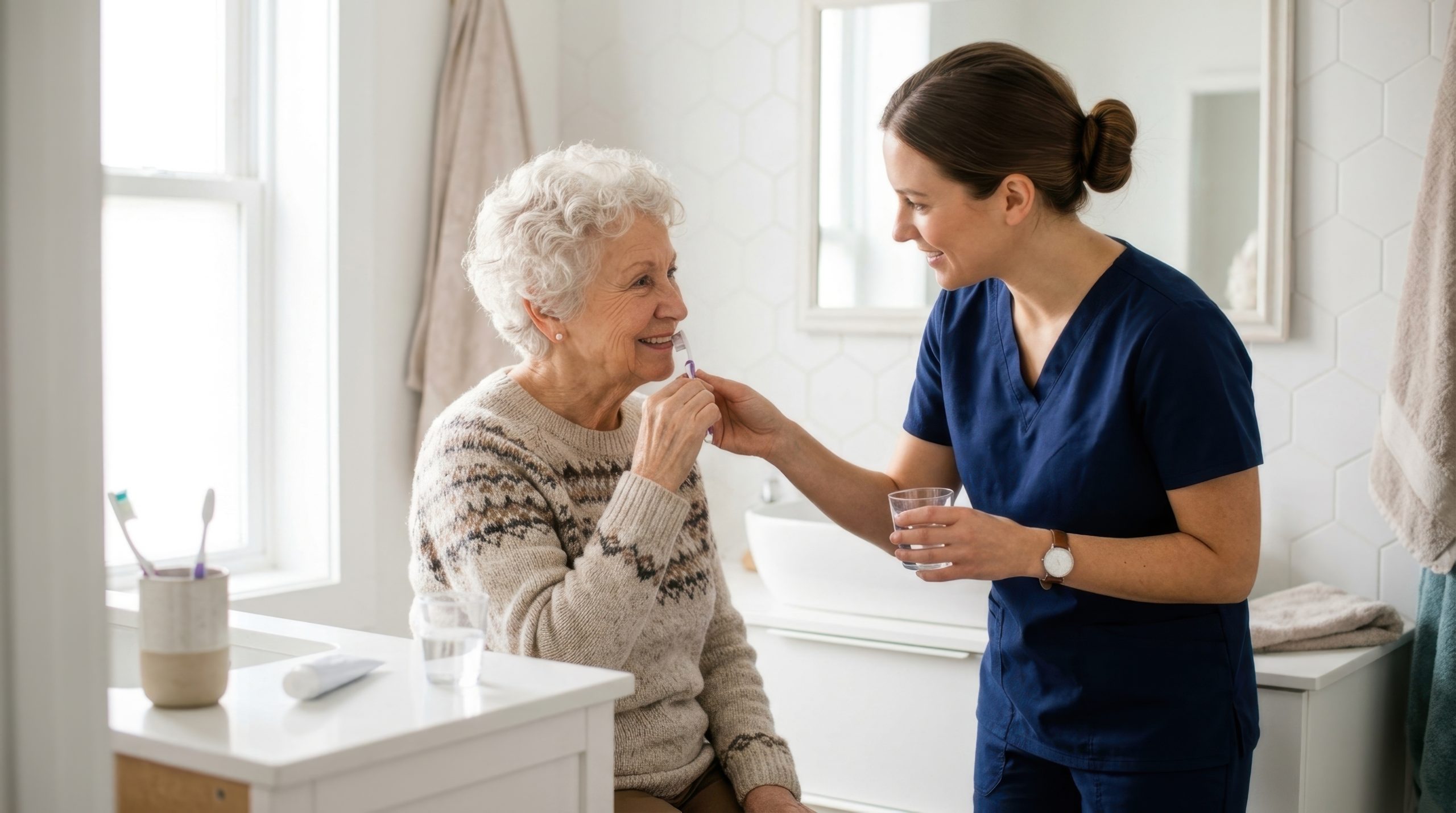
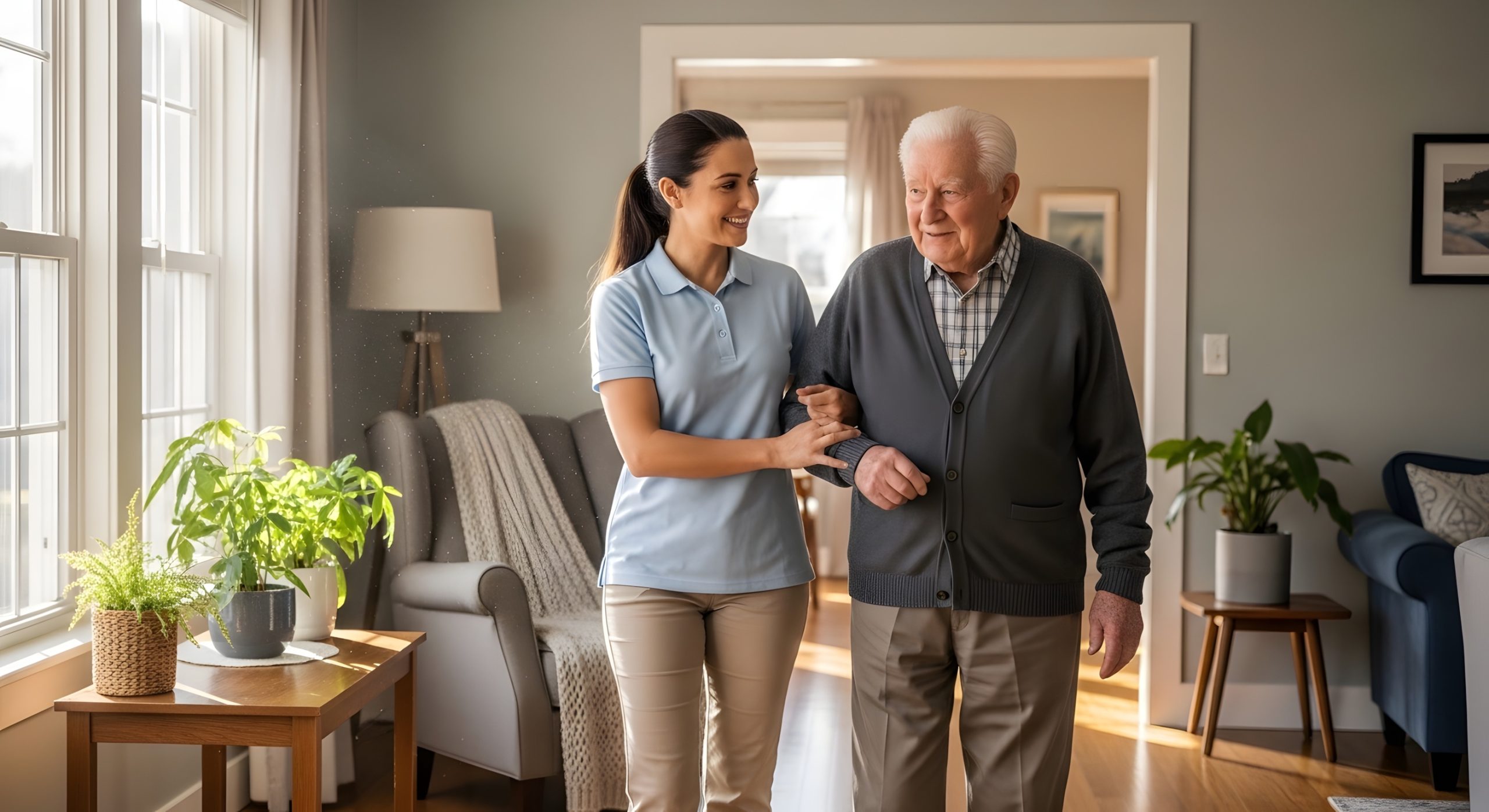
- Trained companion caregivers – Professionals who specialize in dementia care can adapt their communication to meet seniors where they are.
- Peer programs – Group settings with other dementia patients foster a sense of community and shared experience.
- Animal-assisted therapy – Interaction with animals has been shown to lower cortisol levels and reduce feelings of loneliness.
- Technology-based companionship – Video calls and voice-activated devices can bridge distance for families who cannot visit regularly.
Social activity is only one of many components that contribute to robust mental and physical health in seniors. Not every senior has the same care needs, which means they don’t all need the same type of homecare services in Naples. Families can rely on Assisting Hands Home Care to provide individualized care plans to meet their elderly loved ones’ unique care needs. Our caregivers help seniors focus on healthy lifestyle habits such as eating nutritious foods, exercising regularly, and maintaining strong social ties, and we offer mentally stimulating activities that can boost cognitive health and delay the progress of dementia.
How Can Caregivers Foster Meaningful Companionship Daily?
Small intentional actions throughout the day can create genuine moments of connection.
- Engage in activities your loved one has always enjoyed—music, gardening, cooking—to tap into long-term memories.
- Use simple, clear language and maintain eye contact to create a sense of presence and understanding.
- Be patient with silence. Sitting together without conversation can still be deeply comforting.
- Establish routines so your loved one comes to anticipate and look forward to social interactions.
What Role Does Community Play in Reducing Isolation for Dementia Patients?
Community-level support extends the reach of companionship beyond individual caregivers.
- Adult day programs provide structured social activities in a safe, supervised environment.
- Dementia-friendly community initiatives—now active in cities across the US, UK, and Australia—train local businesses and volunteers to engage more compassionately with those living with the condition.
- Support groups for both dementia patients and families reduce the compounding isolation that caregivers themselves often experience.
Gentle, patient companionship is especially beneficial for the emotional wellbeing of older adults who have dementia. Aging in place can present a few challenges for seniors living with dementia. However, with professional dementia home care that offers Naples families peace of mind, they can still live independently at home. Families can rely on Assisting Hands Home Care to provide their elderly loved ones with mental and social stimulation, timely medication reminders, assistance with meal prep, and much more. Our caregivers are available around the clock to help your loved one live a happier and healthier life. To create a customized care plan for your loved one, call us today.
Frequently Asked Questions
How often should a dementia patient have companionship?
+
Daily interaction is ideal, even if brief. Consistent predictable contact reduces anxiety and provides a stable emotional anchor for dementia patients.
Can loneliness make dementia symptoms worse?
+
Yes. Prolonged loneliness has been linked to faster cognitive decline, increased agitation, and a higher incidence of depression in dementia patients.
What if a dementia patient doesn’t recognize his or her companion?
+
Recognition isn’t required for companionship to be beneficial. Seniors with dementia can still experience feelings of comfort and calm in the presence of a kind, familiar voice or face.
Are there professional companion services available for dementia patients?
+
Yes. Many home care agencies offer trained companion caregivers who specialize in dementia support, providing structured social interaction tailored to the individual’s needs and abilities.
Can virtual companionship help dementia patients who live alone?
+
Virtual companionship—through video calls, voice assistants, or dedicated companion apps—can provide meaningful connection, particularly for seniors in rural areas or those whose families live far away.