Overcoming senior malnutrition in home care requires identifying early warning signs, preparing nutrient-dense meals, and establishing consistent dietary routines. Caregivers can successfully enhance their senior loved ones’ daily nutritional intake by adapting food textures and encouraging frequent small meals.
Caregivers can overcome malnutrition challenges in senior in-home care settings by proactively monitoring food intake and serving appealing, nutrient-rich meals tailored to their loved ones’ preferences. Identifying dietary obstacles early allows families to implement practical mealtime strategies that support overall wellness. This approach ensures older adults receive adequate nourishment while remaining comfortable in their own homes.
From preparing nutritious meals to managing simple housekeeping tasks, seniors may need help with an array of activities. If your aging loved one needs occasional help with bathing, grooming, cooking, or other basic household tasks, or if you need time to attend to important personal matters, reach out to Assisting Hands Home Care, a leading provider of respite and overnight home care in Naples. Seniors can maintain their independence while living at home with the help of our reliable home caregivers.
What Are the Common Causes of Malnutrition in Seniors?
Malnutrition in older adults often stems from a combination of physical, emotional, and social factors that reduce appetite or the ability to eat.
- Changes in taste and smell – Aging naturally diminishes sensory perception, making food seem bland and unappealing.
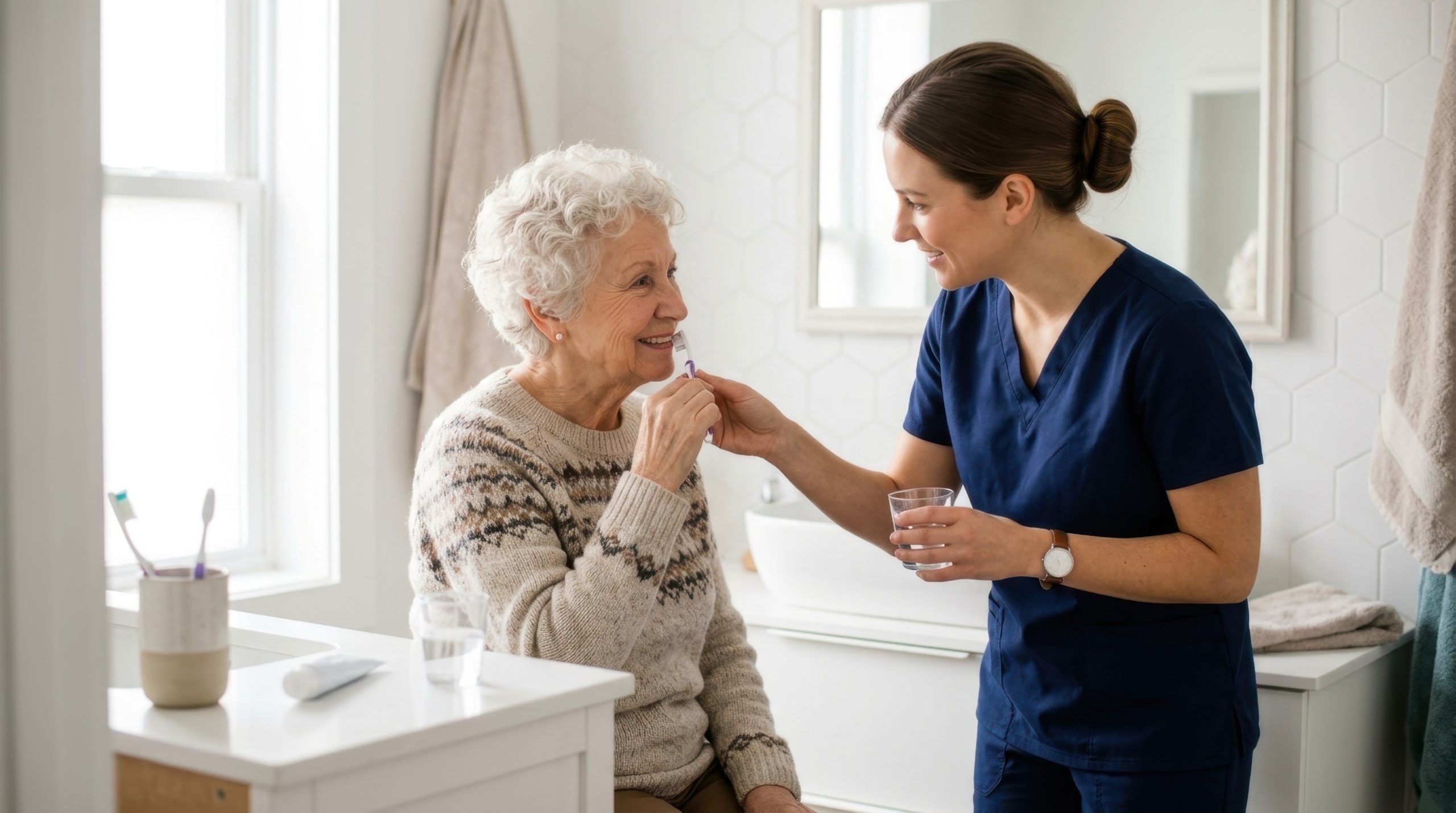
- Dental issues – Poorly fitting dentures or tooth pain can make chewing difficult, causing seniors to avoid solid foods.
- Social isolation – Eating alone frequently leads to a lack of motivation to prepare or consume balanced meals.
How Can Caregivers Identify the Early Warning Signs of Poor Nutrition?
Recognizing poor nutrition early requires close observation of your loved one’s daily habits and physical appearance. Watch for unintentional weight loss, which is often visible in looser clothing or a sudden decrease in overall physical strength. Additionally, keeping a daily log of unfinished meals or an empty pantry can help you identify a lack of food consumption before severe nutritional deficiencies develop.
What Strategies Can Encourage Healthy Eating Habits in Home Care?
Promoting healthy eating involves making mealtimes enjoyable and accessible for older adults.
- Serve frequent smaller meals – Instead of three large meals, offer five to six smaller portions throughout the day to prevent overwhelming a diminished appetite.
- Enhance flavor naturally – Use herbs, spices, and citrus juices to make dishes more flavorful without adding excessive salt or sugar.
- Focus on nutrient density – Incorporate high-calorie, healthy ingredients like avocados, nut butters, and olive oil into daily snacks to maximize energy intake.
Aging in place can present a few unique challenges for older adults in southwest Florida. Some only require part-time assistance with exercise or meal preparation, while others are living with serious illnesses and benefit more significantly from receiving Naples 24-hour home care. Assisting Hands Home Care are leaders in the elderly in-home care industry for good reason. We tailor our care plans based on each senior’s individual needs, our caregivers continue to receive updated training in senior care as new developments arise, and we also offer comprehensive care for seniors with Alzheimer’s, dementia, and Parkinson’s.
Why Is Hydration Essential for Older Adults Maintaining Proper Nutrition?
Hydration plays a critical role in digestion and the absorption of essential nutrients from food. Older adults naturally lose their sense of thirst, making them highly susceptible to dehydration, which can suppress appetite and lead to confusion or fatigue. Caregivers should offer water, herbal teas, and water-rich fruits like melon throughout the day to maintain adequate fluid levels and support healthy metabolic function.
If you have a senior loved one who needs help maintaining a high quality of life while aging in place, reach out to Assisting Hands Home Care, a leading provider of senior care Naples families can trust. Our caregivers help seniors focus on healthy lifestyle habits such as eating nutritious foods, exercising regularly, and maintaining strong social ties, and we offer mentally stimulating activities that can boost cognitive health and delay the onset of dementia. Call one of our Care Managers today to learn about our customized in-home care plans.
Frequently Asked Questions
What are the best foods to combat senior malnutrition?
+
Nutrient-dense foods like eggs, Greek yogurt, soft-cooked vegetables, and oatmeal are excellent choices for senior nutrition. These items are easy to chew and digest, and they pack a high volume of essential vitamins and proteins.
How can I make meals more appealing for an older adult?
+
Enhance the visual appeal of the plate by using a variety of colorful fruits and vegetables. Additionally, incorporating aromatic herbs can stimulate the senses and naturally boost an older adult’s appetite.
Why do seniors lose their appetite?
+
Seniors frequently experience a reduced appetite due to a natural slowing of metabolism and a decrease in physical activity. Changes in taste buds and difficulty preparing meals also contribute to a lack of interest in eating.
Can social interaction improve a senior’s eating habits?
+
Yes, eating with family members or caregivers turns mealtime into a positive social event rather than a chore. This shared experience often encourages older adults to eat more and enjoy their food.
Can I get a surety bond and business insurance from the same provider?+
Yes, having both services under one provider simplifies management and ensures complete business protection.