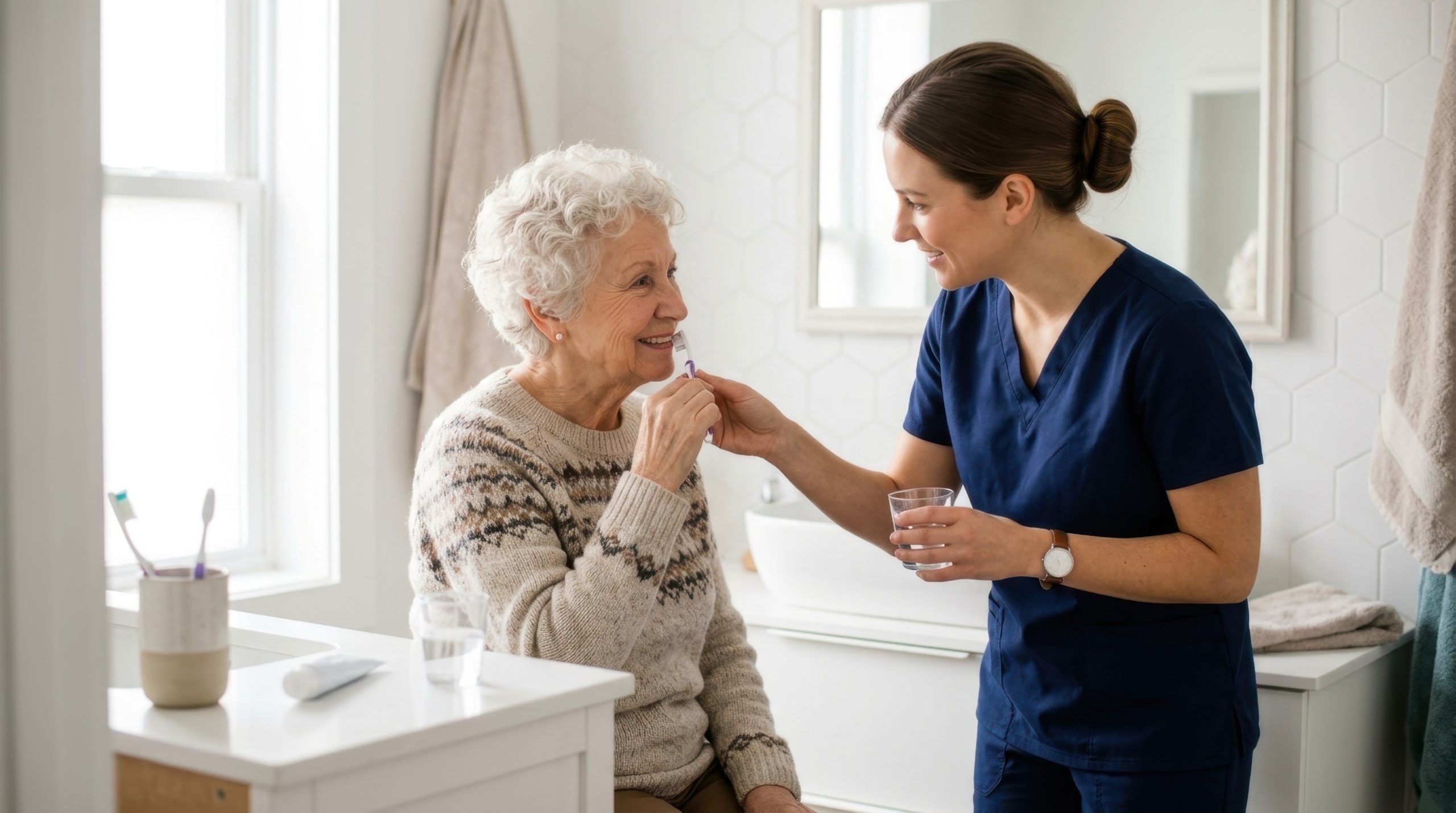
Fun activities for daily dementia care include music therapy, gentle exercise, arts and crafts, reminiscence activities, and sensory stimulation. These activities can help seniors living with dementia maintain cognitive function, reduce anxiety, and boost their overall quality of life.
What Types of Music Activities Work Well for People with Dementia?
Music has a remarkable ability to reach people with dementia, even in advanced stages. Here are some effective music-based activities:
- Listening to favorite songs – Play music from your senior loved one’s youth or songs he or she has always loved. Familiar tunes can trigger positive memories and emotions.
- Singing along – Encourage participation by singing together. Lyrics often come back easily even when other memories have faded.
- Simple instruments – Provide tambourines, shakers, or drums for gentle rhythm making.
- Music and movement – Combine music with light dancing or swaying to promote physical activity.
Research shows music can reduce agitation and boost mood in people with dementia. Keep sessions short and observe which types of music generate the most positive responses.
How Can Arts and Crafts Support Dementia Care?
Creative activities provide meaningful engagement and a sense of accomplishment. Choose projects that match your loved one’s current abilities:
- Painting or coloring – Large simple designs work best. Adult coloring books with bold patterns are ideal.
- Collage making – Use magazines, textured papers, and glue sticks for tactile engagement.
- Clay or playdough – Molding and shaping materials provides sensory stimulation and hand exercise.
- Seasonal crafts – Create decorations for holidays or seasons to maintain connection with time and traditions.
Focus on the process rather than the end result. Adapt activities as needed and avoid anything that might cause frustration. The goal is enjoyment, not perfection.
If you’re caring for a loved one with dementia, you don’t have to face the challenges alone. Families looking for top-rated Naples Home Care providers can reach out to Assisting Hands Home Care. From respite care to specialized Alzheimer’s, dementia, stroke, and Parkinson’s care, there are many ways we can make life easier for seniors and their loved ones.
What Physical Activities Are Safe and Beneficial?
Gentle exercise helps with maintaining mobility, increases circulation, and enhances sleep quality. Consider these options:
- Walking – Short walks indoors or in a safe outdoor space provide exercise and fresh air.
- Chair exercises – Simple stretches and movements can be done while seated for those with limited mobility.
- Dancing – Slow dancing or moving to music combines physical and cognitive benefits.
- Gardening – Watering plants, pulling weeds, or potting flowers offers light activity and sensory engagement.
- Ball toss – Gently tossing a soft ball back and forth increases coordination and provides social interaction.
Always consult with healthcare providers before starting new physical activities. Monitor for signs of fatigue and adjust intensity as needed.
Certain age-related conditions can make it more challenging for older adults to age in place safely and comfortably, but experts in 24-hour home care for seniors in Naples and nearby areas are available around the clock to help aging adults manage their health. Whether your loved one is living with dementia or recovering from a stroke, you can trust the professional caregivers from Assisting Hands Home Care to enhance his or her quality of life.
How Does Reminiscence Therapy Help People with Dementia?
Reminiscence activities tap into long-term memories, which often remain intact longer than recent memories:
- Photo albums – Look through old family photos and encourage storytelling about the people and places pictured.
- Memory boxes – Create boxes filled with meaningful objects from different life periods.
- Life story books – Compile a scrapbook documenting important life events, achievements, and relationships.
- Conversation prompts – Ask open-ended questions about childhood, careers, or special occasions.
These activities validate your loved one’s identity and life experiences. They can spark meaningful conversations and provide opportunities for connection with caregivers and family members.
What Sensory Activities Provide Comfort and Stimulation?
Sensory stimulation can be calming and engaging for people with dementia:
- Aromatherapy – Use gentle scents like lavender, vanilla, or citrus. Avoid overwhelming fragrances.
- Tactile boards – Create boards with different textures—soft fabric, sandpaper, silk, buttons—to touch and explore.
- Baking or cooking – Simple tasks like stirring, kneading dough, or arranging cookies engage multiple senses.
- Pet therapy – Interacting with gentle animals provides comfort and stimulation.
- Nature activities – Feeling different leaves, smelling flowers, or listening to birds combines multiple sensory experiences.
Pay attention to individual preferences and responses. What soothes one person might agitate another, so personalization is key.
Aging in place can present a few challenges for seniors living with dementia. However, with professional dementia care that offers Naples families peace of mind, they can still live independently at home. Families can rely on Assisting Hands Home Care to provide their elderly loved ones with mental and social stimulation, timely medication reminders, assistance with meal prep, and much more. Our caregivers are available around the clock to help your loved one live a happier and healthier life. Call Assisting Hands Home Care to learn more about our flexible and customizable senior care plans.
Frequently Asked Questions
How long should activity sessions last for someone with dementia?
+
Keep sessions short, typically 15–30 minutes, and watch for signs of fatigue or frustration. Multiple short sessions throughout the day often work better than one long activity.
What should I do if my loved one with dementia refuses to participate in activities?
+
Don’t force participation. Try offering the activity at a different time, simplify it, or switch to something else. Respect your loved one’s preferences and mood on any given day.
Can people in later stages of dementia still enjoy activities?
+
Absolutely. Focus on sensory experiences, simple repetitive tasks, and activities that don’t require complex thinking. Even listening to music or feeling different textures can be meaningful.
How do I know which activities are appropriate for different dementia stages?
+
Start with what your loved one enjoyed before the diagnosis and adapt based on current abilities. Consult with occupational therapists or dementia care specialists for personalized recommendations.
Should activities always be one-on-one, or can group activities work?
+
Both have value. One-on-one activities allow for personalized attention, while small group activities provide socialization opportunities. The best approach depends on your loved one’s comfort level and stage of dementia.