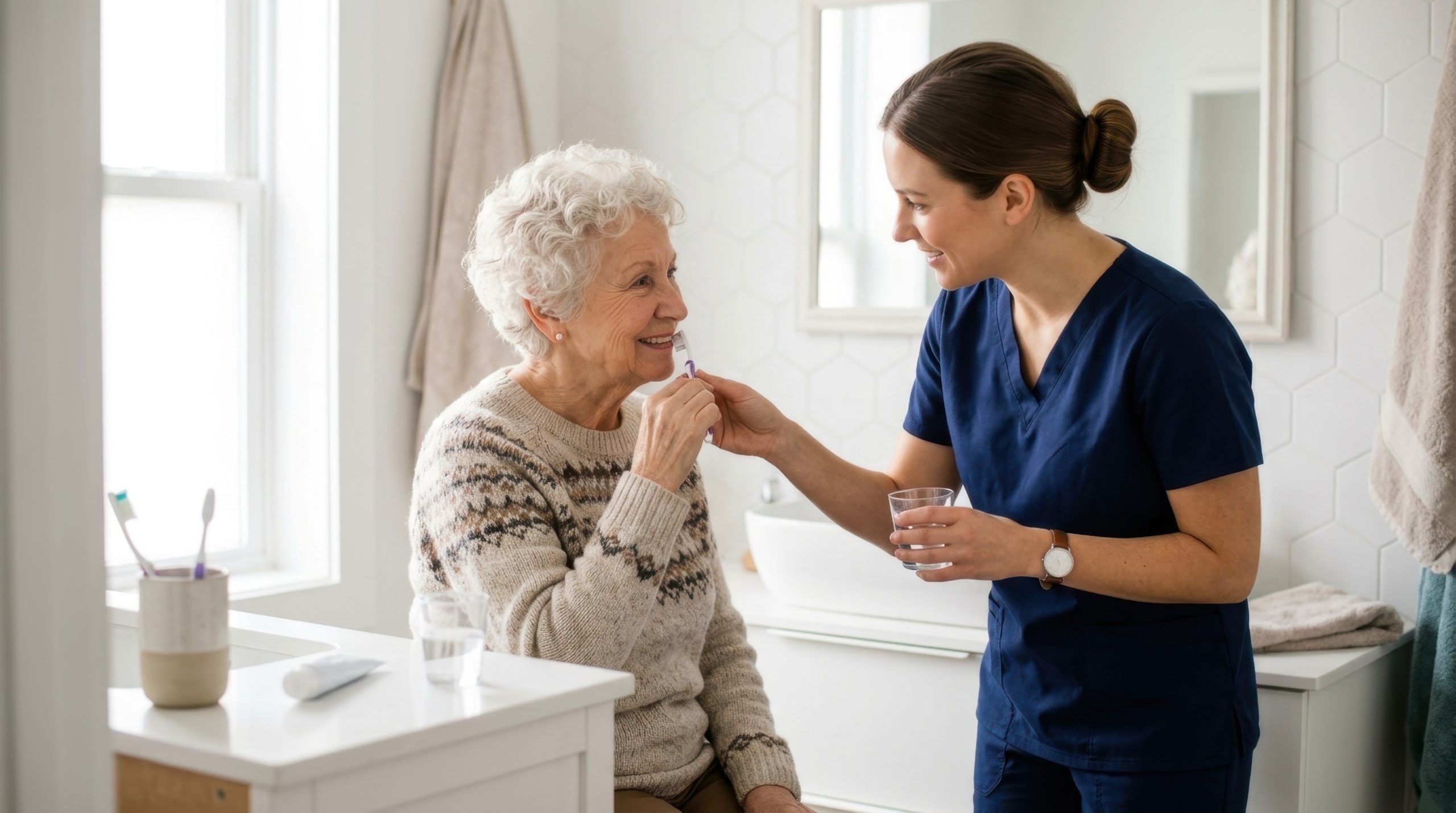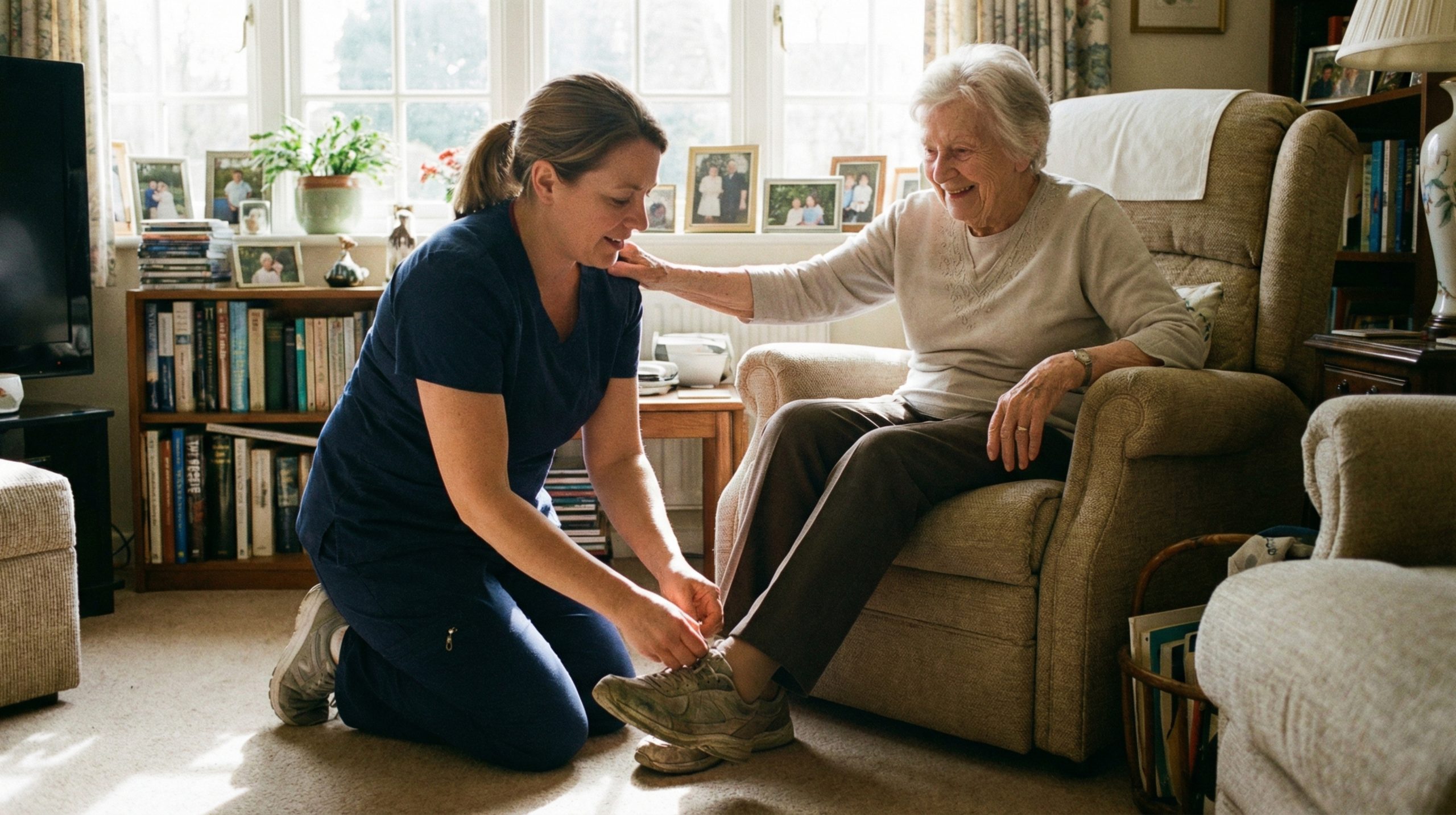
In-home care reduces hospital readmissions by providing personalized oversight, medication reminders, and daily support right in a senior’s own living environment. This continuous professional attention can prevent minor health issues from escalating into severe emergencies. As a result, recovering individuals can heal safely without the frequent need to return to the hospital.
Why Is Medication Organization Crucial for Recovery?
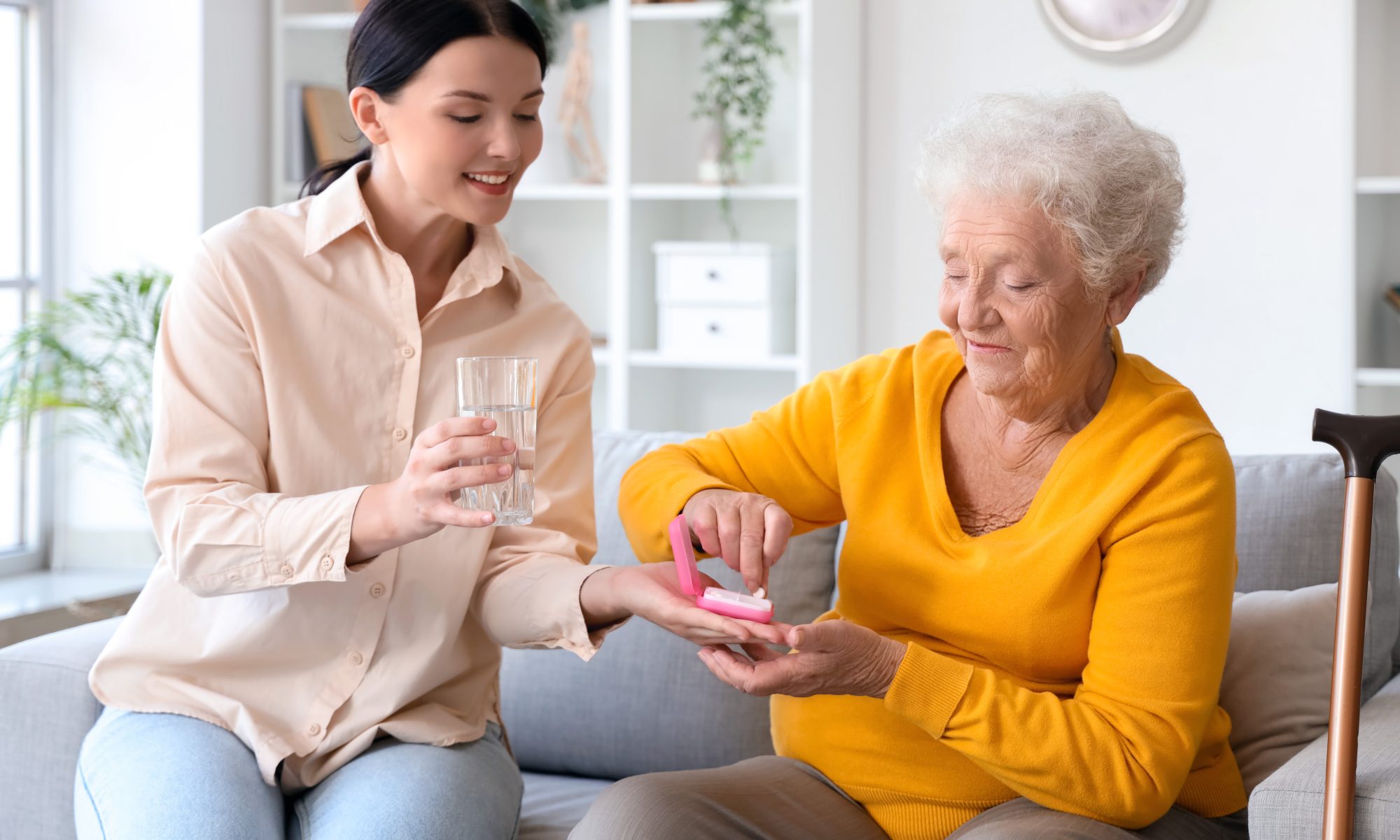
Proper medication organization ensures seniors take the correct doses at the right times, which is essential for a smooth and safe recovery. Caregivers carefully track daily schedules and monitor for adverse reactions.
- Prevents missed doses or accidental overdoses
- Tracks prescription refills to avoid dangerous gaps in treatment
- Identifies negative side effects early so doctors can adjust prescriptions
Some seniors need occasional assistance at home, and oftentimes the family members who take care of them need time away to run errands, take a nap, go to work, or take a vacation. The respite, live-in, and overnight care experts from Naples Assisting Hands Home Care are available on an as-needed basis, giving your family peace of mind that your loved one will remain safe and comfortable while you relax or focus on other important responsibilities.
How Does Fall Prevention Keep Seniors Out of the Hospital?
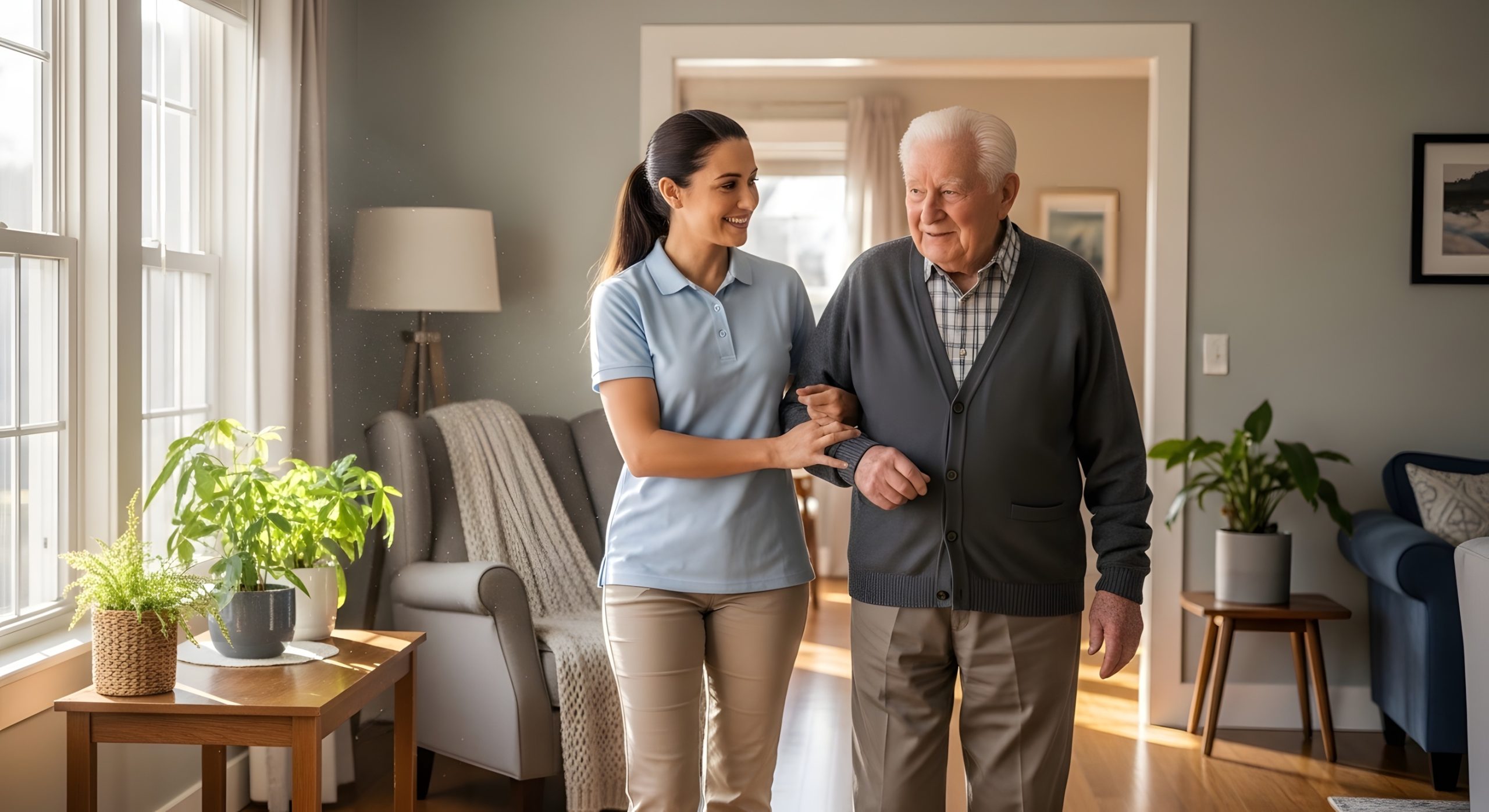
Falls are a leading cause of readmission for recovering patients, particularly older adults with limited mobility. In-home caregivers actively remove tripping hazards and assist with daily movement to minimize this risk. By keeping pathways clear and helping seniors safely navigate stairs or bathrooms, home care professionals stop severe accidents before they happen.
What Role Does Nutritional Support Play in Healing?
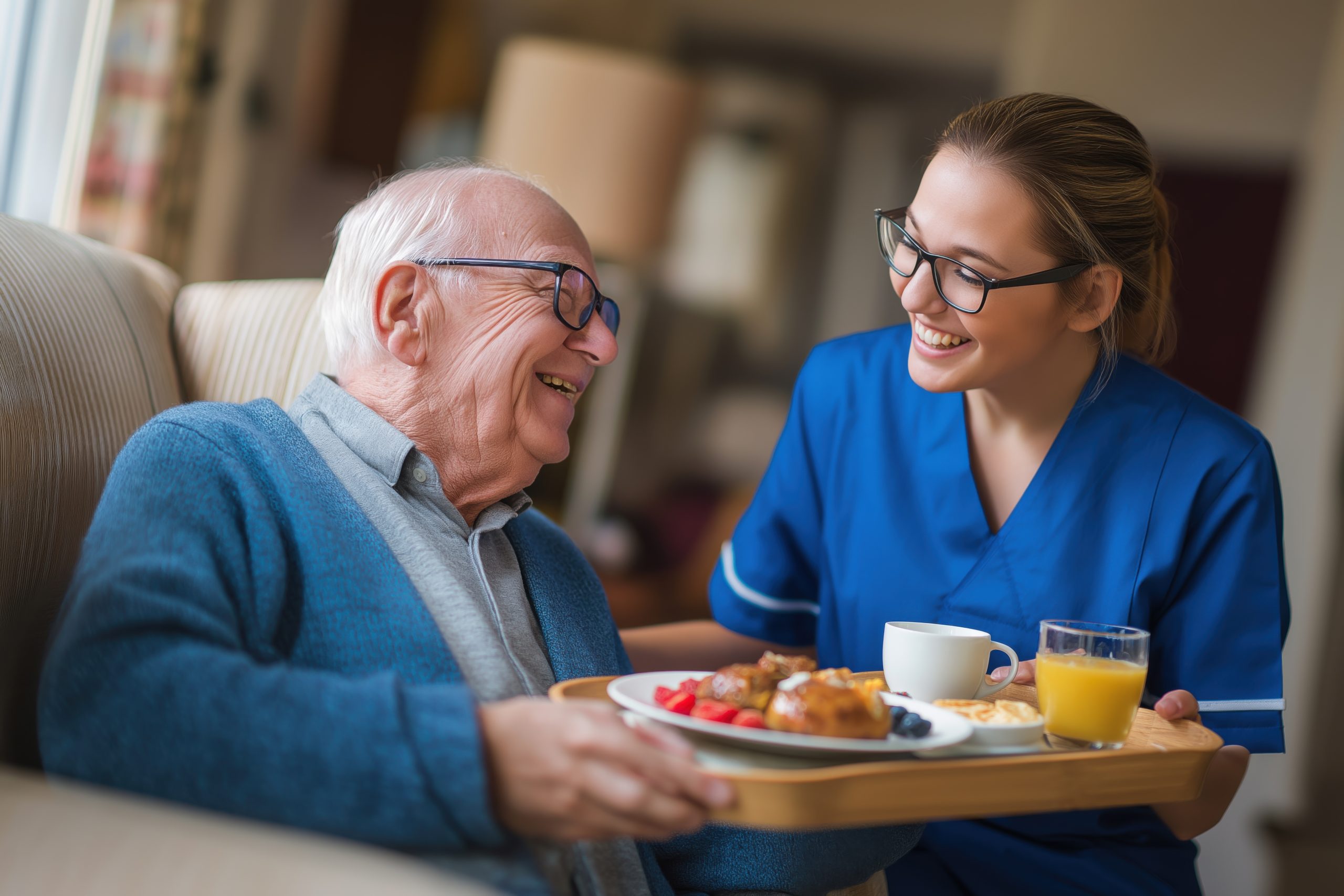
A balanced diet gives the body the exact nutrients it needs to repair tissues, regain strength, and fight off potential infections. In-home caregivers can plan, shop for, and prepare meals tailored to a client’s specific medical requirements.
- Ensures strict adherence to doctor-prescribed diets, such as low-sodium or diabetic meal plans
- Maintains proper daily hydration levels
- Boosts the immune system to facilitate faster overall healing
Can Early Symptom Detection Prevent Medical Emergencies?
Trained caregivers routinely monitor vital signs and observe subtle changes in a client’s physical or mental condition. When they spot warning signs early, they can alert doctors or family members immediately. This proactive communication allows for minor medical interventions at home or a local clinic, avoiding a major crisis that requires an emergency room visit.
A professional caregiver can monitor your loved one for post-hospitalization complications. When searching for reliable Home Care Naples agencies, families want to know their senior loved ones will be well taken care of. At Assisting Hands Home Care, our expertly trained caregivers are available around the clock to assist with tasks around the house, provide transportation to medical appointments and social events, and much more.
Some seniors only require help with a few daily tasks so they can maintain their independence. However, those living with serious illnesses may need more extensive assistance. Luckily, you can rely on the exceptional professional Naples 24-hour home care provided by Assisting Hands Home Care. Home can be a safer and more comfortable place for your loved one to live with the help of an expertly trained and dedicated around-the-clock caregiver. Call us today to talk to one of our compassionate Care Managers about our high-quality home care services.
Frequently Asked Questions
What qualifies as in-home care?
+
In-home care includes a range of services provided in a client’s residence, from basic personal assistance to transportation and companionship. It’s specifically designed to help individuals recover safely without staying in a formal medical facility.
Does insurance cover in-home care services?
+
Many health insurance plans, including Medicare and Medicaid, cover specific in-home health services if they’re prescribed by a doctor. Coverage limits and requirements vary, so patients should verify details directly with their insurance provider.
How quickly can in-home care begin after a hospital discharge?
+
Care can usually be arranged to begin on the exact day a senior returns home. Coordinating with the hospital’s discharge planner ahead of time ensures a completely seamless transition.
Can family members assist alongside professional caregivers?
+
Absolutely. Professional caregivers often work alongside family members to share daily responsibilities and educate relatives on proper patient care techniques.