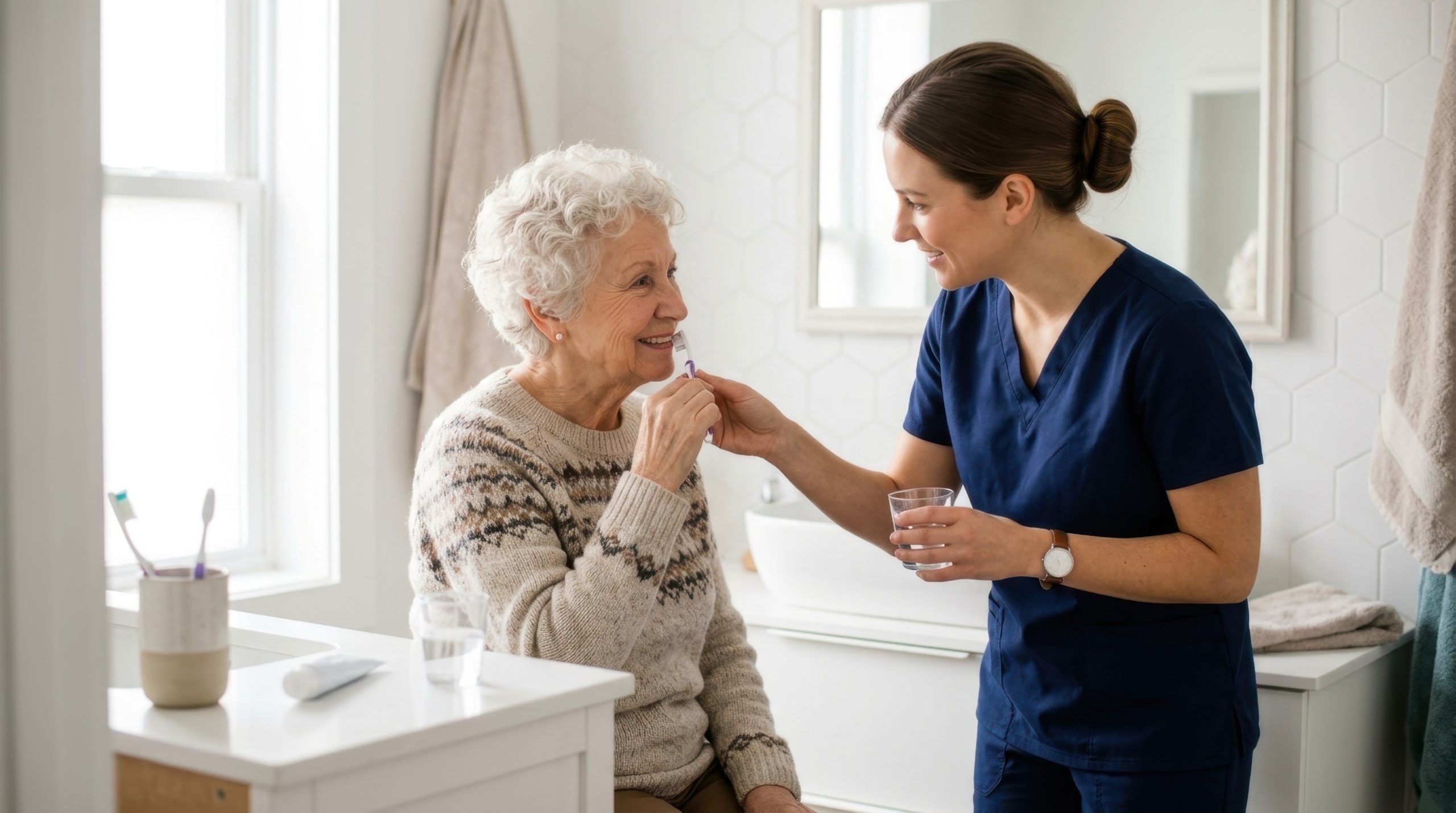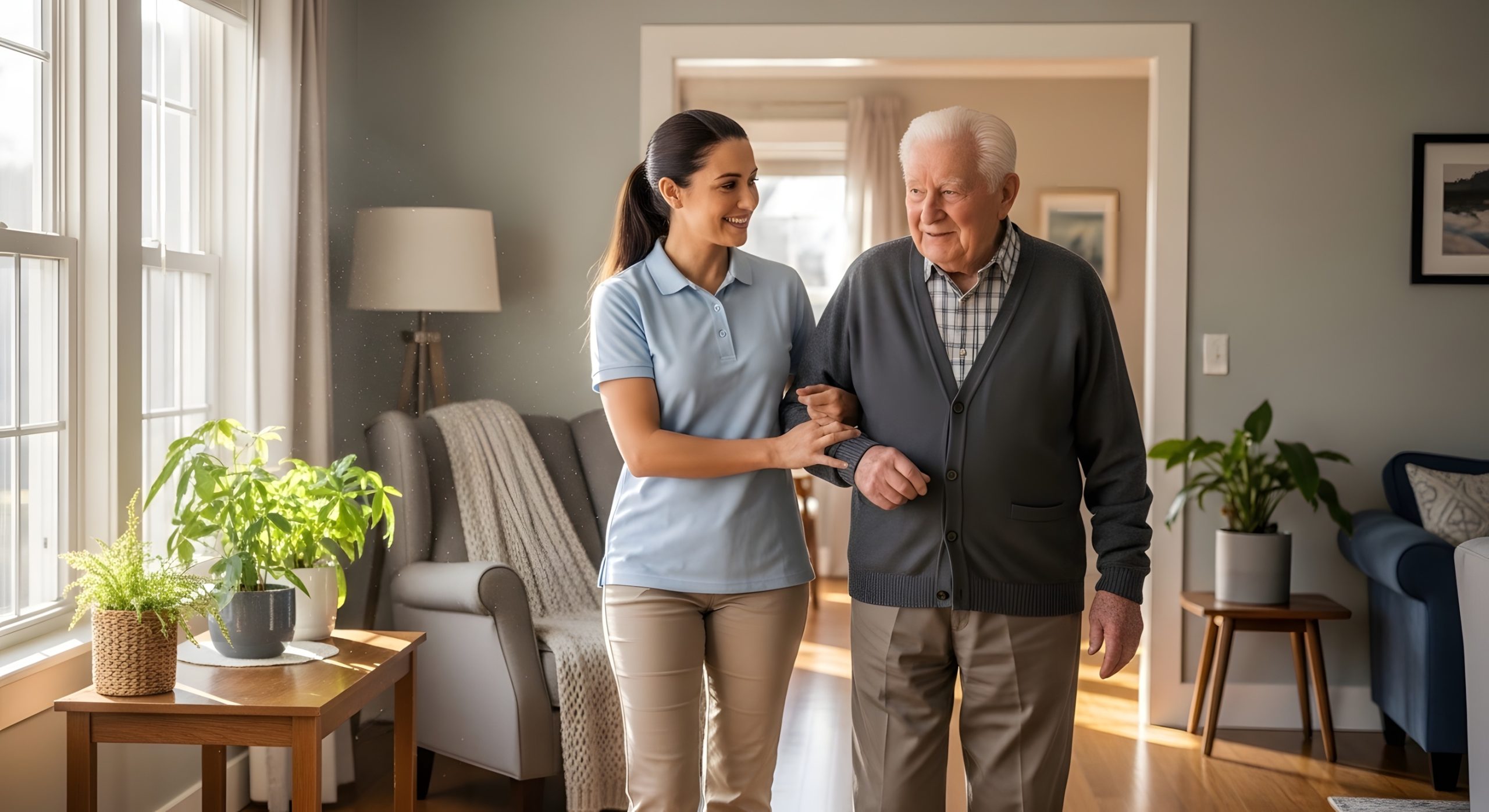
Encouraging independence in someone with dementia means simplifying tasks, adapting the environment, and communicating in ways that preserve dignity while maintaining safety. Caring for a senior loved one with dementia often involves a delicate balance between providing necessary support and respecting autonomy. Encouraging independence isn’t merely about reducing your workload. It’s a vital strategy to preserve your loved one’s dignity, confidence, and sense of self for as long as possible. By making subtle adjustments to daily routines and environments, you can empower your loved one to remain an active participant in his or her own life.
How Do Simple Tasks and Predictable Routines Support Independence?
For someone living with dementia, complex tasks can quickly become overwhelming, leading to frustration or withdrawal. The key to maintaining independence lies in breaking these activities down into manageable, bite-sized steps. Rather than giving a broad instruction like “get ready for bed,” guide your loved one through the process one step at a time.
Routine also plays a critical role in fostering self-reliance. When days follow a predictable pattern, it reduces anxiety and helps your loved one anticipate what comes next.
- Break it down – Instead of asking your loved one to make a sandwich, lay out the ingredients and ask him or her to place the cheese on the bread.
- Visual cues – Place clear labels on drawers or cupboards (e.g., a picture of socks on the sock drawer) to help your loved one find items without asking for help.
- Consistent scheduling – Try to schedule mealtimes, bathing, and dressing at the same time each day to build muscle memory and familiarity.
Caring for a loved one with dementia can be challenging, but compassionate help is available. If your senior loved one has been diagnosed with a serious condition and needs help with tasks like meal prep, transportation, bathing, and grooming, reach out to Assisting Hands Home Care, a leading provider of Home Care Naples families can trust. We also offer comprehensive care for seniors with dementia, Alzheimer’s, and Parkinson’s.
How Can the Home Environment Be Adjusted to Promote Independence?
A home environment that’s cluttered or poorly organized can be a major barrier to independence. Modifying the living space to be more accessible allows seniors with dementia to navigate their surroundings safely and with less assistance. The goal is to remove obstacles that cause confusion while highlighting the things your loved one needs to function.
Safety is paramount, but accessibility is what promotes agency. If your loved one can safely access the bathroom or the kitchen without help, he or she retains a significant portion of his or her freedom.
- Lighting – Ensure hallways and rooms are brightly lit to reduce shadows that can cause confusion or fear.
- Contrast – Use contrasting colors for plates and tablecloths to make food easier to see or for toilet seats to make the bathroom easier to navigate.
- Declutter – Remove loose rugs and unnecessary furniture to create clear, wide pathways for walking.
- Open storage – Consider removing cabinet doors in the kitchen or using glass-fronted cupboards so items are visible at a glance.
A trained caregiver with knowledge about caring for seniors with dementia can be a fantastic resource for family members. Certain age-related conditions can make it more challenging for older adults to age in place safely and comfortably, but experts in live-in care for Naples seniors are available around the clock to help aging adults manage their health. Whether your loved one is living with dementia or recovering from a stroke, you can trust the professional caregivers from Assisting Hands Home Care to enhance his or her quality of life.
How Does Communication Style Influence Independence in Dementia Care?
How you speak to your loved one significantly impacts his or her willingness and ability to do things independently. It’s easy for caregivers to slip into a directive mode, telling seniors exactly what to do to save time. However, shifting communication to be more collaborative encourages your loved one to make his or her own decisions.
Offering limited choices is a powerful technique. Too many options can be paralyzing, but having no options feels restrictive.
- Limit choices – Instead of asking “What do you want to wear?” ask “Would you like to wear the blue shirt or the red shirt?”
- Be patient – Allow extra time to process a question and formulate a response. Rushing often leads to agitation.
- Positive reinforcement – Praise your loved one’s efforts rather than correcting his or her mistakes. If your loved one put a shirt on backward but did it independently, celebrate the accomplishment.
How Can Assistive Technology Extend Independence Safely?
Technology has advanced significantly in the elder care space, providing tools that can extend independence safely. These devices don’t need to be high-tech or complicated. Often, the simplest solutions are the most effective. These tools can act as safety nets, allowing your loved one to perform tasks alone without you needing to hover constantly.
- Digital clocks – Large-display clocks that spell out the day, time, and date can reduce anxiety about orientation.
- Medication organization – Automated pill dispensers that beep and unlock at the correct time ensure medication compliance without constant supervision.
- Locators – Key finders or simple GPS trackers can give your loved one the confidence to walk in the garden or move around the house without the fear of getting lost or losing important items.
- Appliance safety – Sensors that automatically turn off the stove if it’s left on can allow your loved one to continue cooking for longer.
Why Is Focusing on Remaining Abilities So Important?
A strengths-based approach shifts the focus from what the person has lost to what he or she can still do. Every individual with dementia progresses differently, and many retain skills and memories long into the disease’s progression. Tapping into these remaining abilities gives your loved one a sense of purpose and contribution.
Identify tasks your loved one enjoyed in the past and find ways to modify them so he or she can still participate. Feeling useful is a fundamental human need that doesn’t disappear with a diagnosis.
- Household chores – Folding laundry, dusting, or setting the table are repetitive, rhythmic tasks that many find soothing and achievable.
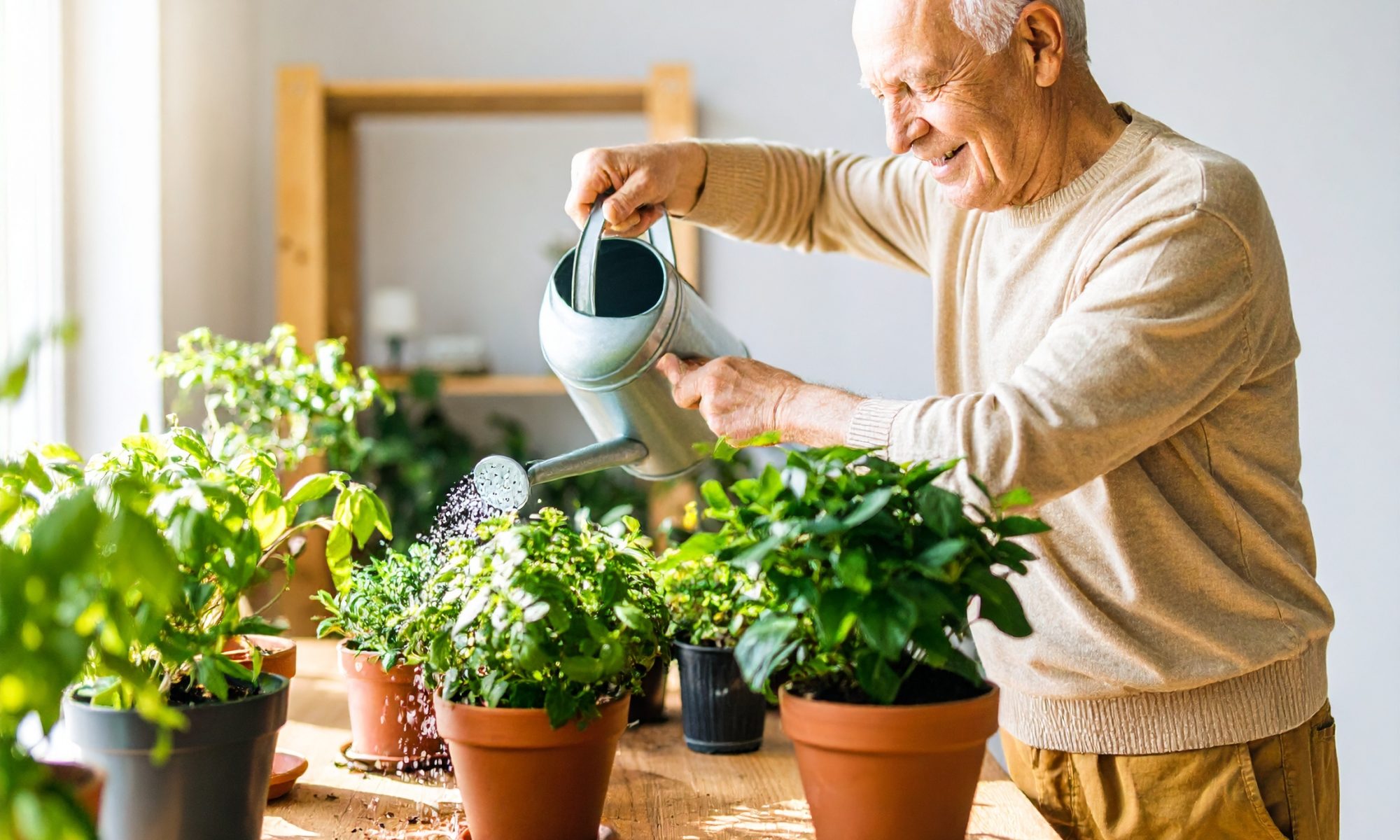
- Gardening – If your loved one enjoyed gardening, set up raised beds or give him or her tasks like watering plants or raking leaves.
- Social connection – Encourage your loved one to tell stories or look through photo albums, validating his or her long-term memory, which often remains intact longer than short-term memory.
Frequently Asked Questions
How does dementia home care support independence?
Caregivers encourage individuals to participate in daily tasks and activities at their own pace, fostering a sense of autonomy.
Can home care help my loved one maintain his or her routines?
Yes, caregivers work to preserve familiar routines, which can provide comfort and promote independence.
What activities are included to help individuals with dementia stay engaged?
Caregivers can incorporate activities like puzzles, light exercise, and hobbies tailored to the individual’s abilities and interests.
How do caregivers balance safety with promoting independence?
Caregivers provide supervision and assistance only when needed, allowing individuals to safely perform tasks they’re capable of.
Can dementia home care delay the loss of independence?
Yes, personalized care and support can help individuals retain their abilities and confidence for as long as possible.
Aging in place can present a few challenges for seniors living with dementia. However, with professional dementia care that offers Naples families peace of mind, they can still live independently at home. Families can rely on Assisting Hands Home Care to provide their elderly loved ones with mental and social stimulation, timely medication reminders, assistance with meal prep, and much more. Our caregivers are available around the clock to help your loved one live a happier and healthier life. Call us today to learn about our high-quality in-home care services.