Caregivers can build trust with seniors by communicating openly, showing reliability, respecting privacy, focusing on personalized care, and encouraging independence. Consistent, empathetic actions help seniors feel safe, respected, and genuinely cared for during their interactions with new caregivers.
Welcoming a new caregiver into the home is a significant transition that often brings feelings of vulnerability and uncertainty for older adults. Establishing a strong bond is essential for ensuring high-quality care and emotional wellbeing, but this relationship requires patience and intentional effort to cultivate.
How Does Open and Honest Communication Strengthen Trust?
Clear, respectful communication helps seniors feel heard, valued, and in control of their care experiences. The foundation of any trusting relationship is effective communication. For a senior, the arrival of a caregiver can feel like a loss of privacy, so it’s vital that your loved one feels understood rather than managed. Practice active listening, which involves paying full attention to your loved one’s words, tone, and body language without interrupting.
It’s equally important to clarify expectations early on. If your loved one is unsure about what the caregiver is there to do, anxiety can build quickly. To bridge this gap:
- Ask open-ended questions – Instead of assuming preferences, ask “How do you prefer your coffee?” or “Would you like to go for a walk now or later?”
- Maintain eye contact – This simple act signals respect and shows your loved one that he or she has your full attention.
- Be patient with responses – Some seniors may need extra time to process information or articulate their thoughts. Rushing can create a sense of dismissal.
How Do Consistency and Reliability Strengthen the Care Relationship?
Predictable routines and dependable actions help seniors feel safe and reduce anxiety about their care. Routine provides a sense of security, especially for seniors who may be experiencing memory issues or cognitive decline. When caregivers are consistent, they become predictable and safe anchors in your loved one’s day. Trust is eroded quickly by tardiness, missed appointments, or changing schedules without notice.
Reliability extends beyond just showing up on time. It’s about following through on promises. If a caregiver says he or she will fix a loose rug or pick up a specific medication, doing so promptly proves he or she is dependable. Establishing a predictable routine helps your loved one know what to expect, which lowers anxiety and allows him or her to relax into the care relationship.
Establishing a strong relationship with a caregiver is especially important if your loved one is living with cognitive decline due to Alzheimer’s or another form of dementia. Aging in place can present a few challenges for seniors living with dementia. However, with professional dementia care that offers Naples families peace of mind, they can still live independently at home. Families can rely on Assisting Hands Home Care to provide their elderly loved ones with mental and social stimulation, timely medication reminders, assistance with meal prep, and much more. Our caregivers are available around the clock to help your loved one live a happier and healthier life.
How Can Caregivers Respect Privacy and Personal Boundaries?
Respecting personal boundaries helps seniors maintain dignity and feel secure in their own environments. For many seniors, their homes are their sanctuaries and the last bastions of their independence. Having strangers enter those spaces can feel intrusive. Caregivers build trust by treating the home with the same respect they would a guest rather than treating it like a workplace.
Small gestures of respect go a long way in preserving dignity:
- Knock before entering – Always knock before entering a bedroom or bathroom, even if the door is partially open.
- Ask before moving items – Never rearrange furniture or personal belongings without explicit permission.
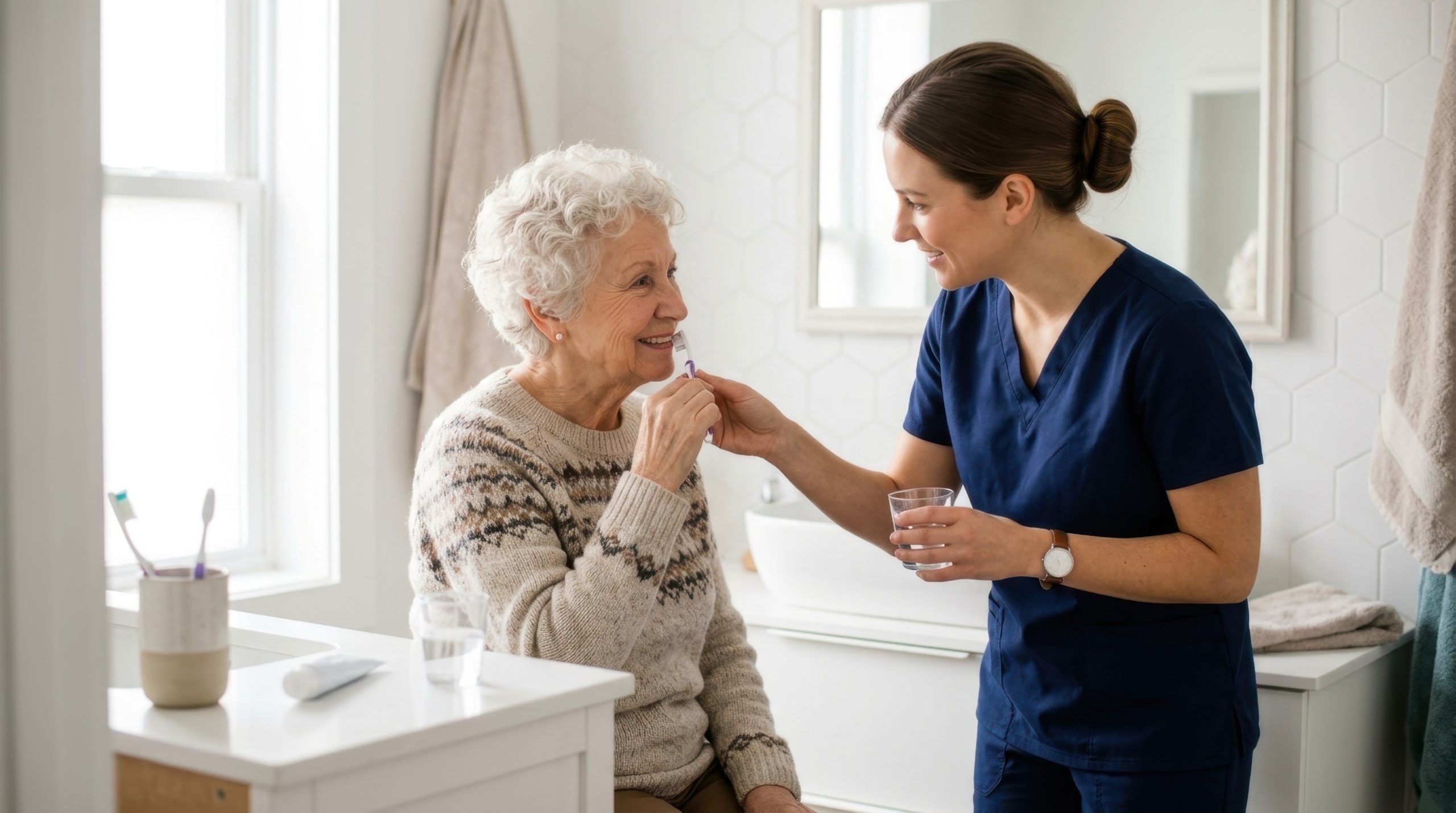
- Handle personal care with sensitivity – Tasks like bathing or dressing involve high vulnerability. Approaching these tasks with modesty and professionalism can help your loved one feel safe.
Many seniors prefer aging in place over moving to assisted living facilities. If your senior loved one needs assistance to remain safe and comfortable while living at home, reach out to Assisting Hands Home Care, a leading Home Care Naples agency. Our dedicated in-home caregivers can assist with meal prep, bathing and grooming, exercise, medication reminders, and many other important tasks.
Why Is Person-Centered Care Key to Building a Genuine Connection?
Focusing on the individual’s history, interests, and preferences transforms care into a meaningful relationship. A senior is more than a list of medical conditions or a schedule of medications. Building a genuine connection requires seeing the person behind the client. When a caregiver takes the time to learn about your loved one’s history, hobbies, and preferences, the dynamic shifts from a transactional service to a human relationship.
Finding common ground can break the ice and make the time spent together enjoyable rather than just functional. Caregivers can try:
- Looking at photo albums together – This invites storytelling and helps the caregiver understand your loved one’s life experiences.
- Identifying shared interests – Whether it’s gardening, classical music, or a love of sports, shared passions create natural conversation.
- Validating feelings – Acknowledging your loved one’s emotions regarding aging or health challenges shows deep empathy.
How Does Encouraging Independence Build Lasting Trust?
Supporting independence reassures seniors that they still have autonomy and purpose in daily life. One of the biggest fears seniors face is the loss of control. A caregiver who takes over every task, even if he or she has good intentions, can inadvertently make your loved one feel helpless or useless. Trust is built when a caregiver empowers your loved one to do as much as he or she can independently.
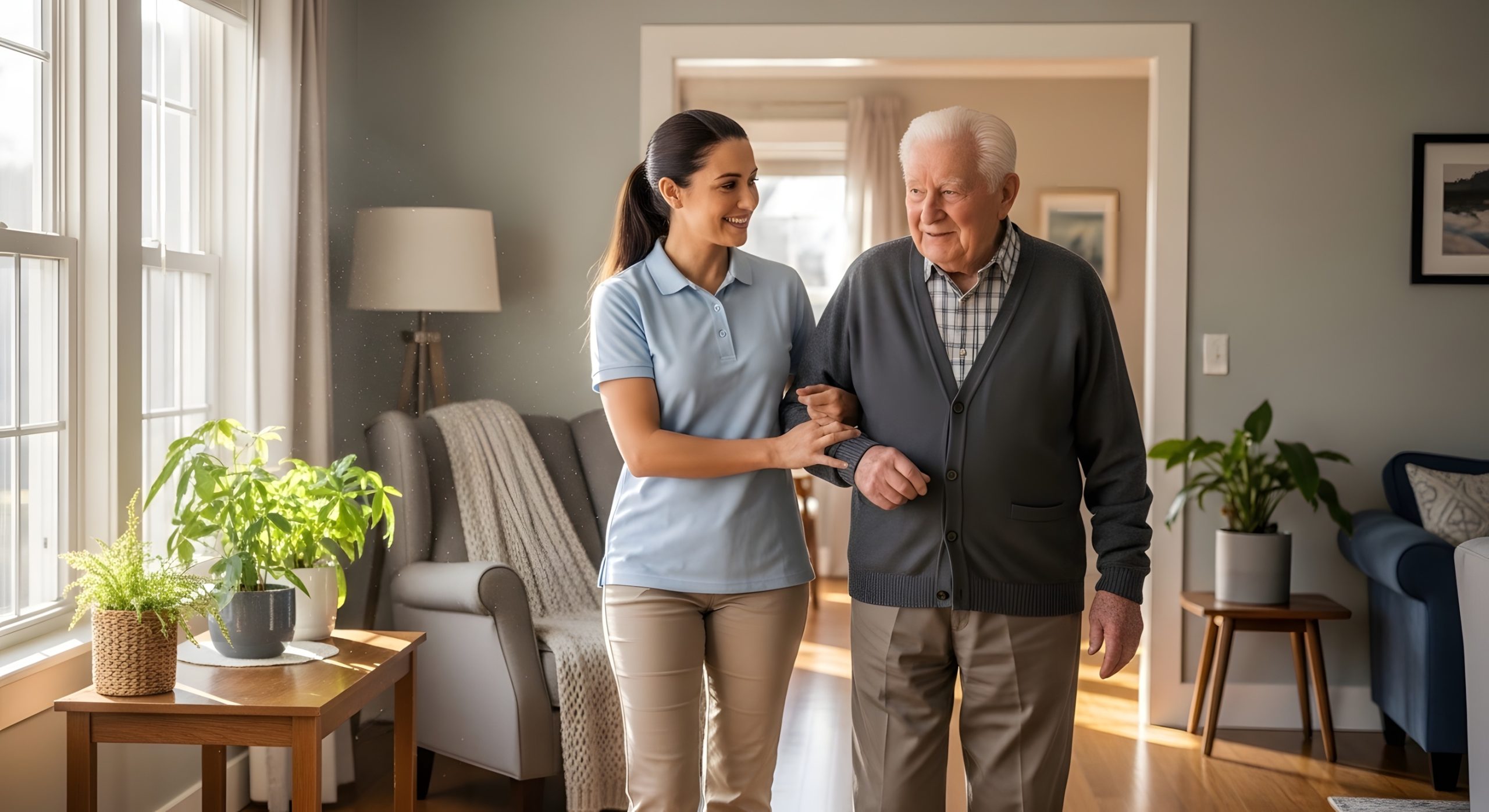
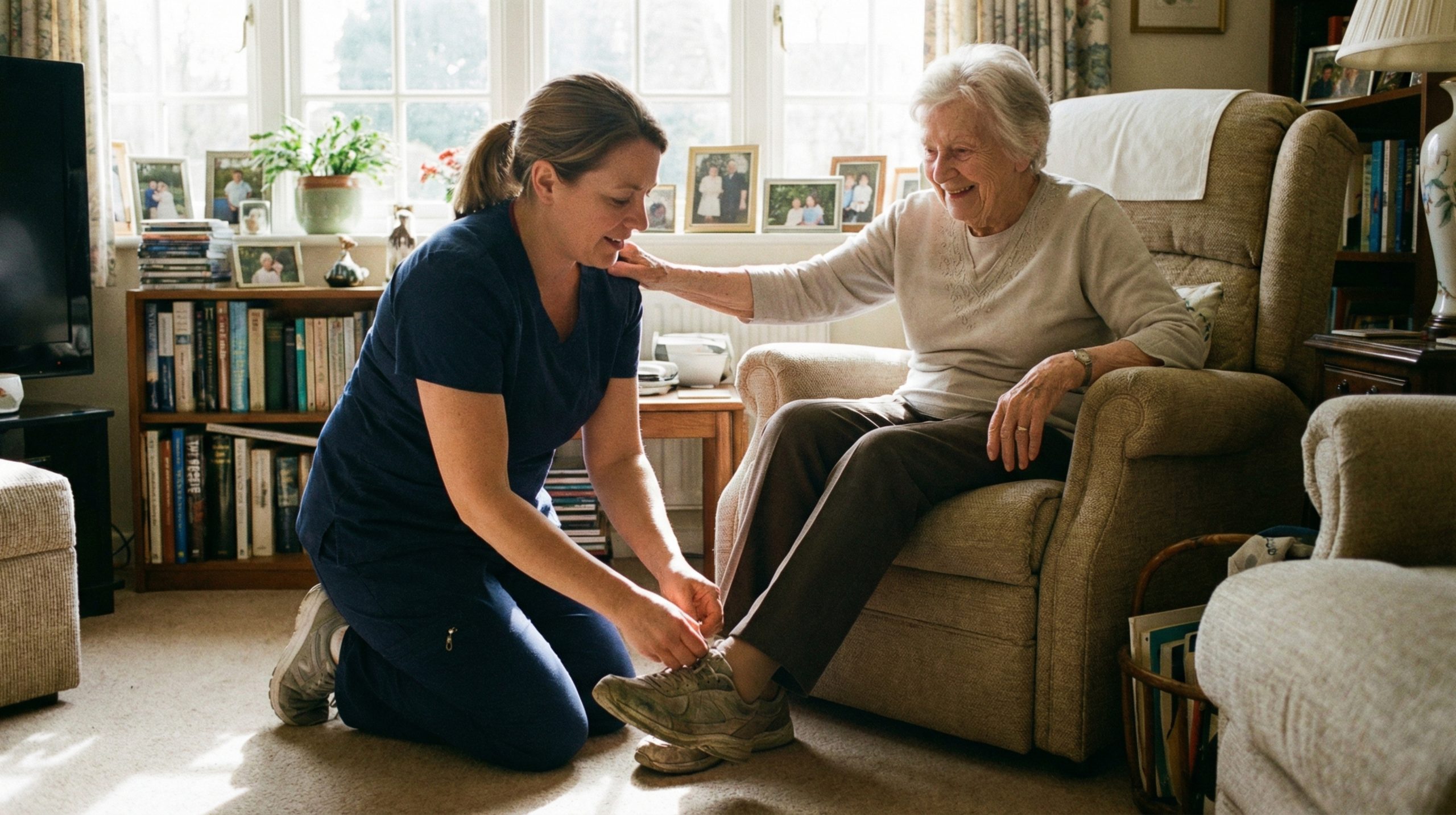
This approach, often called “doing with, not for” reinforces your loved one’s capabilities. If your loved one can button a shirt but takes a long time, the caregiver should allow that time rather than doing it for your loved one to save a few minutes. Involving your loved one in decision-making—from what to wear to what to eat for lunch—demonstrates that his or her voice matters.
For many seniors in southwest Florida, Naples live-in care is an essential component of aging in place safely and comfortably. However, it’s important for them to have caregivers they can trust and rely on. At Assisting Hands Home Care, we extensively screen all of our caregivers and only hire those who have experience in the senior home care industry. Our strict requirements ensure seniors can remain in the comfort of home with a reduced risk of injury or serious illness. Schedule a free in-home consultation by giving us a call today.
Frequently Asked Questions
How do home care services build trust with families?
+
Trust is built through open communication, consistent care, and ensuring caregivers are trained and compassionate.
Are home care providers screened and qualified?
+
Many home care agencies offer introductions or consultations to help families feel comfortable with their assigned caregivers.
Can families meet caregivers before starting services?
+
Yes, many small businesses in California must have a surety bond to obtain or renew licenses, particularly in regulated industries.
How do caregivers establish trust with seniors?
+
Caregivers build trust by showing patience, respect, and understanding while fostering positive and supportive relationships.
What steps are taken to ensure high-quality care?
+
Regular evaluations, feedback from families, and adherence to care plans ensure high-quality and trustworthy services.